
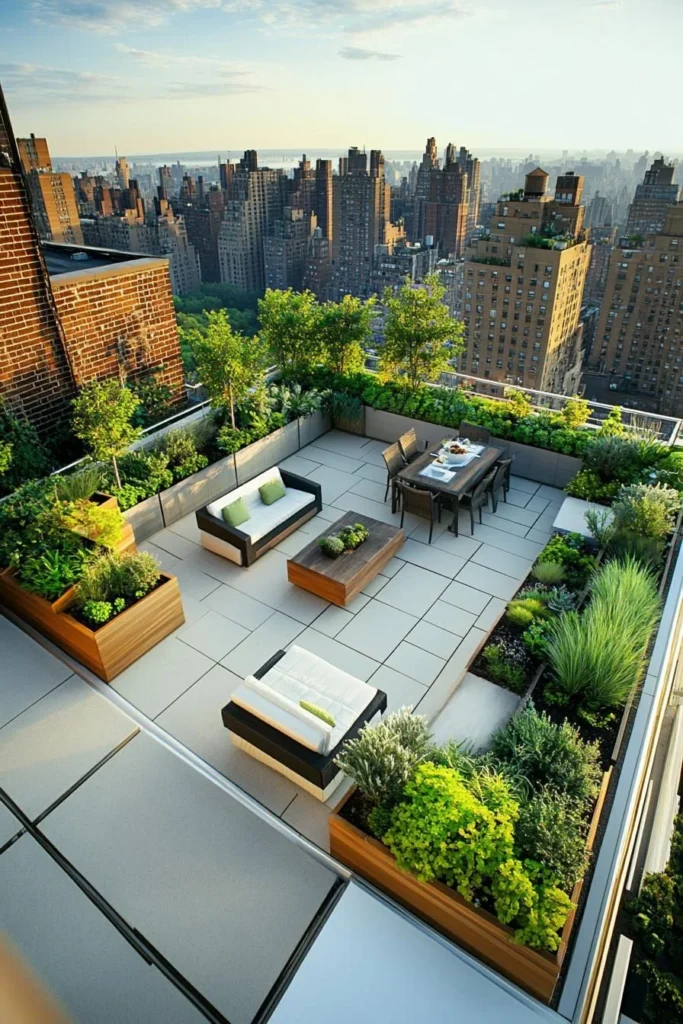
A thoughtful terrace garden design turns unused rooftop concrete into the most loved room in your home. Whether you own a compact deck or a sweeping open roof, the right plan brings greenery, shade, and calm into city life. At Studio Sachet, we treat every terrace as a landscape in miniature, balancing structure, planting, and daily use. This guide explains the principles behind great terrace garden design, from layout and load to plant choices, so you can create a space that feels refined and thrives all year.
Why Terrace Garden Design Matters
A terrace is more than extra square footage. It is a private pocket of nature that cools your home, softens noise, and invites you outdoors.
Good planning delivers real benefits:
- Cooler interiors: Planted surfaces reduce the heat absorbed by the roof slab.
- Better air: Foliage filters dust and freshens the space around your living areas.
- Wellbeing: Time among plants lowers stress and improves sleep.
- Property value: A designed rooftop retreat is a strong selling point.
- Biodiversity: Flowering plants draw bees, butterflies, and birds.
Start With the Foundations of Terrace Garden Design
Beautiful results begin with unseen decisions. Settle these three before buying a single plant.
Check Structural Load and Waterproofing
Soil, water, and planters are heavy. Have an engineer confirm the slab can carry the weight, and make sure the waterproofing is sound. A failed membrane is expensive to repair once beds are installed.
Study Sunlight and Wind
Observe your terrace through the day. Note which corners get full sun, which stay shaded, and where wind funnels. Tall, exposed rooftops often need windbreaks such as screens, trellises, or sturdy shrubs.
Plan Water and Drainage
Install drainage outlets, a nearby tap, and, ideally, drip irrigation. Reliable watering keeps plants healthy and saves hours of effort.
Layout and Zoning for a Balanced Terrace
Divide the space by function before choosing plants. A balanced terrace garden design usually includes three zones:
- Relax: a lounge corner with a sofa, daybed, or hammock.
- Dine: a compact table for breakfast or evening meals.
- Green: planted beds, planters, and a focal feature such as a water bowl or sculpture.
Keep walking paths about 75 cm wide, and place taller plants along the edges to frame the view. Use a pergola, screens, or tall planters to create privacy without blocking light. Repeat materials and colours across zones so the terrace reads as one composed outdoor living space rather than a collection of corners.
Small Terrace Garden Design: Make Every Inch Count
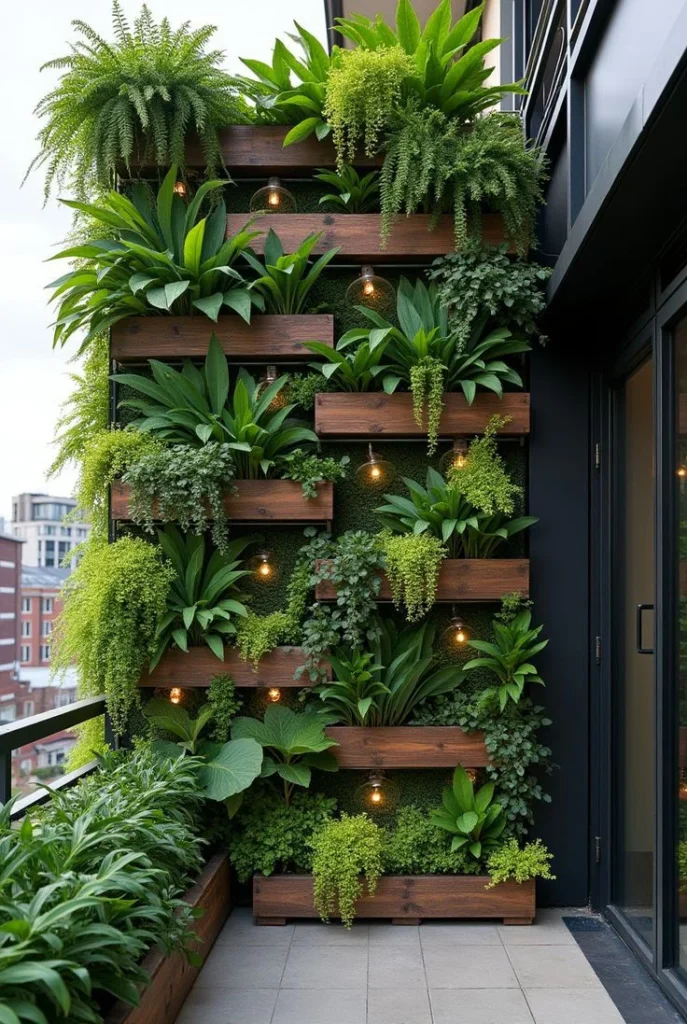
Limited space is an opportunity for clever design. A small terrace garden design works best when every element earns its place.
- Go vertical: Use wall planters, trellises and a living green wall to add layers without losing floor area.
- Choose multi-purpose furniture: Storage benches and fold-away tables keep the layout open.
- Keep the palette tight: Limit yourself to three or four plant types for a calm, cohesive look.
- Use light colours and mirrors: They visually enlarge the space.
- Mix heights: Combine hanging baskets, mid-level pots, and low groundcovers.
Think of the terrace as a series of zones, even if each one is only a meter wide. One cozy seat, one planted edge, and one focal point are often enough.
Modern Terrace Garden Design: Clean Lines, Warm Materials
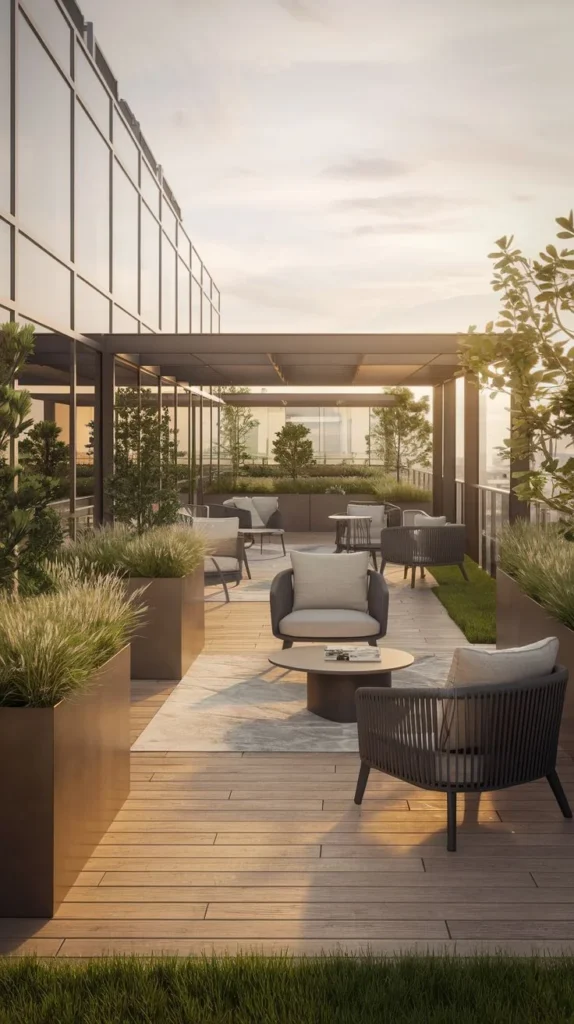
A modern terrace garden design favours simplicity, structure, and restraint. It feels architectural yet welcoming.
Hardscape and Furniture
Choose composite decking, porcelain tiles, or stone pavers in neutral tones. Add a pergola or fabric canopy for shade, and low-profile seating in weathered teak or powder-coated metal.
Lighting That Sets the Mood
Layer soft LED uplights, path lights, and string lights. Warm light at low levels creates drama after dark without glare.
A Restrained Planting Palette
Ornamental grasses, bamboo, frangipani, agave, and clipped hedges deliver texture. Repeat a few species in bold groupings rather than scattering many. Large matte planters in graphite or cream reinforce the contemporary feel.
Terrace Vegetable Garden Design: Grow What You Eat
A productive rooftop is deeply satisfying. Effective terrace vegetable garden design starts with sunlight, because most vegetables need at least six hours of direct sun each day. Fresh produce a few steps from your kitchen also cuts costs and food miles.
Best Crops for Rooftops
- Leafy greens such as spinach, lettuce, and amaranth
- Tomatoes, chillies, and brinjal in deep containers
- Herbs including mint, basil, coriander, and curry leaf
- Beans and cucumbers on vertical supports
- Radish and carrot in raised beds
Beds, Soil, and Feeding
Use raised beds or grow bags filled with a lightweight mix of potting soil, compost, and cocopeat. This keeps loads down and drainage up. Rotate crops each season, mulch to retain moisture, and feed with vermicompost every few weeks.
Place the edible zone near the water source and away from strong wind. A neat vegetable patch can sit comfortably beside ornamental planting.
Choosing Plants and Planters That Last
Rooftops are tough environments, so pick resilient species.
- Sun lovers: bougainvillea, hibiscus, lavender, succulents
- Shade lovers: ferns, peace lily, calathea, money plant
- Low maintenance: snake plant, ZZ plant, jade, ornamental grasses
Select planters in fibreglass, terracotta, or lightweight concrete. Always add drainage holes and a layer of gravel or a drainage cell. Group pots in odd numbers for a natural look.
Seasonal Care Tips
- Water early morning or evening to reduce evaporation.
- Install a shade net during peak summer.
- Prune regularly to keep shapes crisp.
- Refresh topsoil and compost twice a year.
- Clear drainage outlets before the monsoon.
Small, consistent habits protect your investment far better than occasional big clean-ups.
Mistakes to Avoid in Terrace Garden Design
Even enthusiastic gardeners stumble. Watch for these:
- Overloading the slab with oversized planters
- Ignoring waterproofing and drainage
- Choosing plants that do not suit the sun exposure
- Cluttering the floor with too many small pots
- Skipping a professional layout plan
A clear plan prevents costly rework and keeps your terrace garden design cohesive.
Frequently Asked Questions
How much does terrace garden design cost?
Costs vary with size, materials, planting, and irrigation. A simple container setup is affordable, while a full landscape with decking and lighting is a larger investment. A site visit gives the most accurate estimate.
Is a terrace garden safe for my roof?
Yes, when planned properly. Confirm load capacity, use quality waterproofing, and choose lightweight soil and planters.
Which plants suit a small terrace?
Compact, hardy plants such as herbs, succulents, dwarf shrubs, and climbers perform well and need little space.
Can I grow vegetables on a terrace?
Absolutely. With six hours of sun, good soil, and steady watering, leafy greens, tomatoes, and herbs thrive.
Conclusion: Build a Terrace You Will Love
Great terrace garden design blends smart structure, suitable plants, and a clear sense of style. From a compact urban retreat to a productive edible roof, the right plan makes the space beautiful, practical, and easy to maintain. Start with load, light, and water, then layer in planting and materials that reflect how you live.
Ready to Transform Your Terrace?
Studio Sachet designs landscapes that feel as good as they look. Our team handles everything from concept and planting plans to execution. Contact studiosachet.com today to book a consultation and turn your terrace into a green sanctuary.