
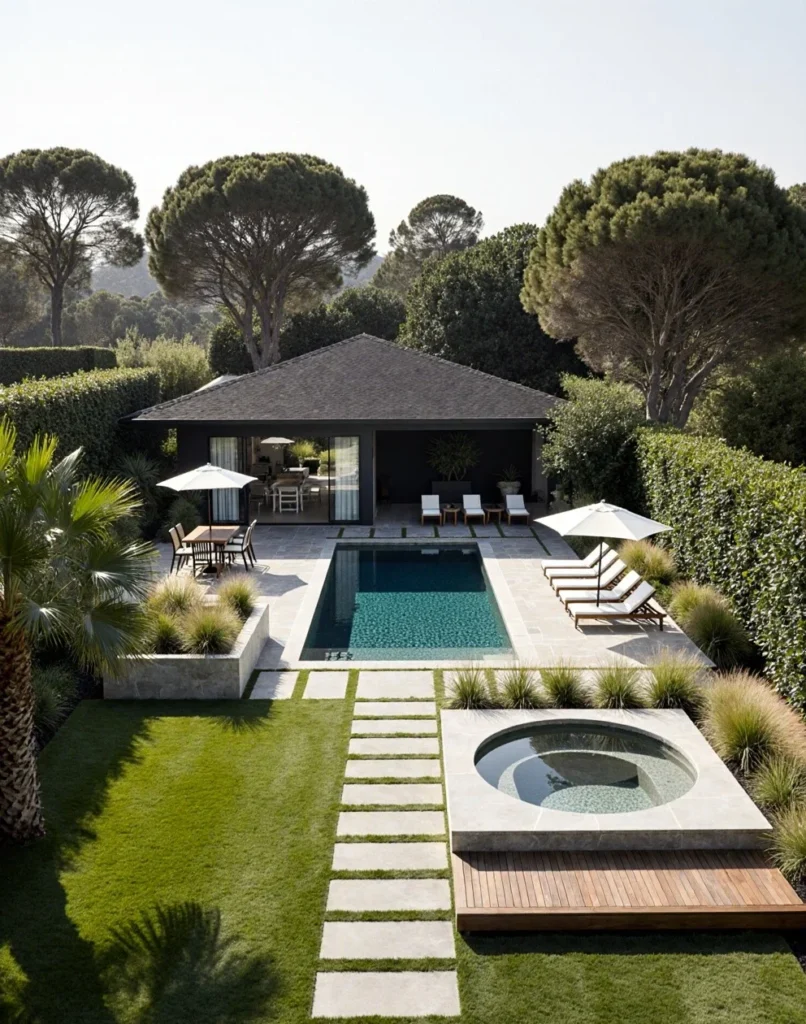
A great garden does not happen by accident. It is planned, layered, and shaped with care. That is the heart of garden landscaping: turning an ordinary patch of land into an outdoor space that looks beautiful, works hard, and ages gracefully.
Whether you have a sprawling villa lawn in Jaipur or a compact courtyard in Mumbai, thoughtful garden landscaping can raise your property’s value and your everyday well-being. This guide from Studio Sachet explains what it involves, how the process works, and how to pick the right team.
What is Garden Landscaping?
Garden landscaping is the art and science of designing, building, and styling an outdoor space. It blends horticulture, architecture, and spatial planning so that plants, paths, water, and structures read as one composition.
It goes well beyond planting a few shrubs. A well-planned landscape considers:
- Hardscape: pathways, patios, retaining walls, pergolas, and seating
- Softscape: lawns, trees, shrubs, perennials, and ground covers
- Water features: ponds, fountains, and rain gardens
- Lighting: soft, layered illumination for evenings
- Irrigation and drainage: systems that keep the garden healthy year-round
Landscaping vs. gardening: Gardening is the ongoing care of plants. Landscaping is the big-picture design that gives those plants a home.
Why Garden Landscaping Is Worth the Investment
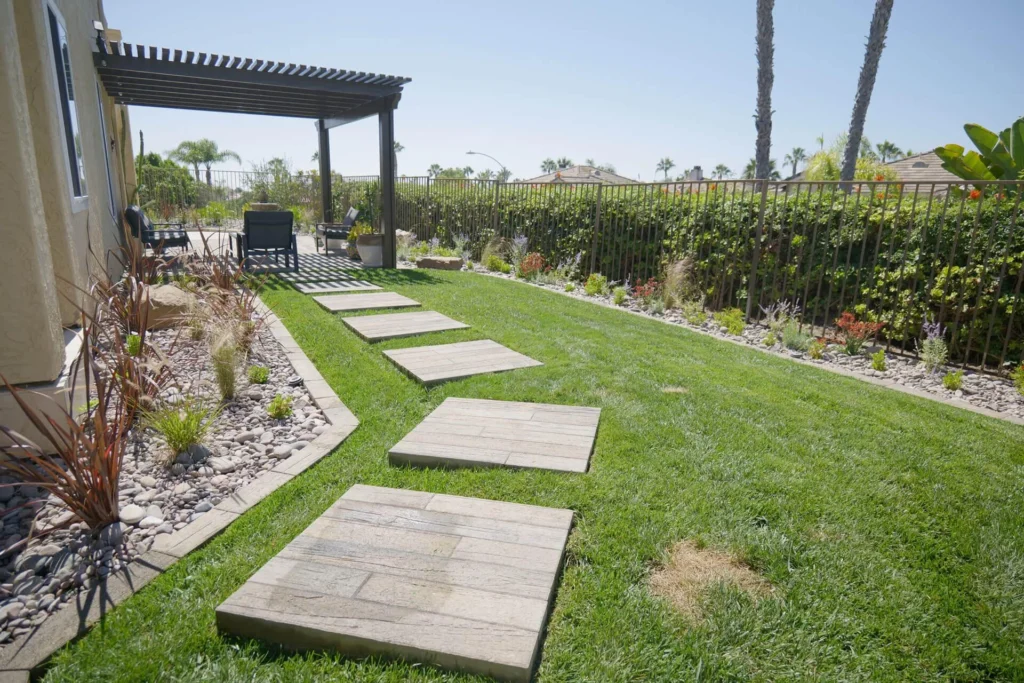
Done well, garden landscaping pays you back in many ways:
- Higher property value: curb appeal is often the first thing buyers notice
- Better well-being: green views and shaded seating reduce stress and invite you outdoors
- Cooler surroundings: trees and planting beds soften heat around the home
- Biodiversity: native plants attract pollinators and birds
- Usable space: defined zones for dining, play, yoga, or quiet reading
In India’s varied climates, smart planning also means water-wise choices. Drought-tolerant species, mulching and drip irrigation keep a garden lush without waste.
Garden Landscaping Design Process—Step by Step
Every successful project follows a clear sequence. Here is how a professional landscape design process typically unfolds.
Step 1: Site Analysis and Brief
Everything starts with understanding the land. Designers study sun paths, soil quality, slopes, drainage, existing trees and views. They also listen to you: how you live, who uses the space, and what you want to feel when you step outside.
Step 2: Concept Development
Next comes the big idea. This stage produces mood boards, rough layouts, and zoning plans. You might see options ranging from a naturalistic, wild-meadow feel to a clean, contemporary look. The goal is a direction that suits both your taste and the site.
Step 3: Detailed Design and Plant Selection
Once the concept is approved, the plan gets specific. Materials, levels, lighting, planting schedules, and irrigation layouts are finalized. Plant choices are matched to local climate, light, and maintenance appetite, so the garden thrives rather than merely survives.
Step 4: Construction and Installation
Hardscape goes in first: paving, walls, water features, and drainage. Then soil preparation, lighting, and irrigation follow. A good site team protects existing trees and keeps timelines and quality in check.
Step 5: Planting, Styling, and Handover
Finally, the garden comes alive with trees, shrubs, flowering layers, and finishing touches. A reliable team hands over a care guide covering watering, pruning, and seasonal tasks, so your investment keeps maturing beautifully.
Ready to Start Your Garden Landscaping Project?
Studio Sachet is a premium landscape architecture and spatial design practice working across Jaipur and Mumbai. We shape outdoor spaces that feel considered, personal, and built to last.
[Book your consultation with Studio Sachet https://studiosachet.com/contact-us/ today and let’s design your dream garden.]
How to Choose Best Garden Landscaping Services
The right partner shapes both the result and the experience. Use these checkpoints when comparing garden landscaping services.
Review Their Portfolio
Look for completed projects similar to yours in scale and style. Pay attention to how gardens look beyond the day of installation. Mature, well-resolved spaces are a strong sign of quality.
Check Design Depth, Not Just Installation
Some firms only build. Others design thoughtfully and then build. A practice with landscape architecture training considers drainage, structure, ecology, and aesthetics together, which prevents costly fixes later.
Ask About Plant Knowledge
Experienced teams recommend native and climate-suited species and explain their maintenance needs honestly. If every proposal features the same plants, be cautious.
Look for Transparent Pricing and Timelines
Request a clear scope, itemized costs, and a realistic schedule. Vague quotes often lead to surprises midway.
Questions to Ask Before You Hire
- Who will lead the design, and who will supervise the site?
- How do you handle changes during construction?
- What maintenance support do you offer after handover?
- Can I speak to past clients?
Trust your instincts too. The best collaborations feel open, creative and respectful of your ideas.
Conclusion
Garden landscaping is more than decoration. It is a considered process that blends design, ecology and craft to create outdoor spaces you will actually use and love. Understanding what it is, following the design process step by step and choosing the right professionals will help you avoid common mistakes and build a garden that grows more beautiful with every season.
Frequently Asked Questions
How much does garden landscaping cost?
Costs vary with size, materials, plant selection, and complexity. Hardscape, water features, and lighting usually raise the budget, while simple planting-led designs cost less. A detailed quote after a site visit gives the most accurate figure.
How long does a garden landscaping project take?
Small gardens can take a few weeks, while larger or more complex projects may take several months. Design approvals, weather, and material availability all affect the timeline.
What is the best time to start garden landscaping in India?
Planning can begin any time of year. Planting is usually best before or during the monsoon, when moisture helps new roots establish.
Do I need a landscape architect for garden landscaping?
Not for every small refresh, but a landscape architect adds real value for larger or complex sites. They integrate levels, drainage, planting, and structures into one cohesive plan.
Let’s Create Your Dream Garden with Studio Sachet.
Your outdoor space deserves the same thoughtfulness as the rest of your home. Studio Sachet brings strategic design, ecological insight and refined craft to every project.
[Contact Studio Sachet at https://studiosachet.com/contact-us/ today to book a consultation and begin your garden landscaping journey.]