
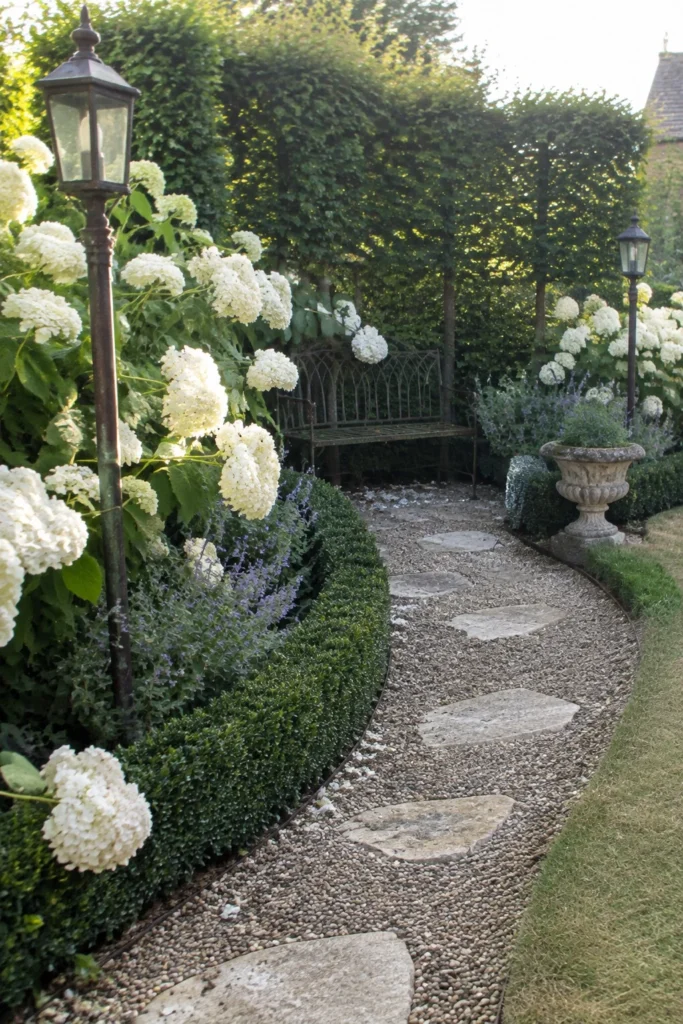
Picture a garden that looks as though nature planted it herself: grasses swaying in the breeze, wildflowers drifting through layered borders, and a path curving out of sight. That is the charm of a naturalistic garden. It feels effortless, yet it rests on careful design.
In this guide, Studio Sachet explains what a naturalistic garden is, the principles behind it, how to create one step by step and how to keep it thriving. Whether your space is a villa lawn in Jaipur or a compact courtyard in Mumbai, these ideas will help.
What is a Naturalistic Garden?
A naturalistic garden is a landscape style that borrows the patterns, textures and rhythms of wild ecosystems. Instead of clipped hedges and rigid lawns, it uses drifts of plants, soft edges and flowing forms that look spontaneous.
Think of it as design guided by ecology. Plants are chosen for how they grow together, how they support wildlife and how they change with the seasons.
Key features include:
- Mass plantings: grasses and perennials arranged in loose drifts
- Native and climate-adapted species: plants that suit local conditions
- Organic shapes: curving paths and irregular bed edges
- Natural materials: stone, gravel, timber and clay
- Wildlife habitat: food and shelter for pollinators, birds and beneficial insects
Naturalistic vs. wild: A wild garden is left to chance. A naturalistic garden is composed on purpose to look wild while staying beautiful and manageable.
Why Choose a Naturalistic Garden?
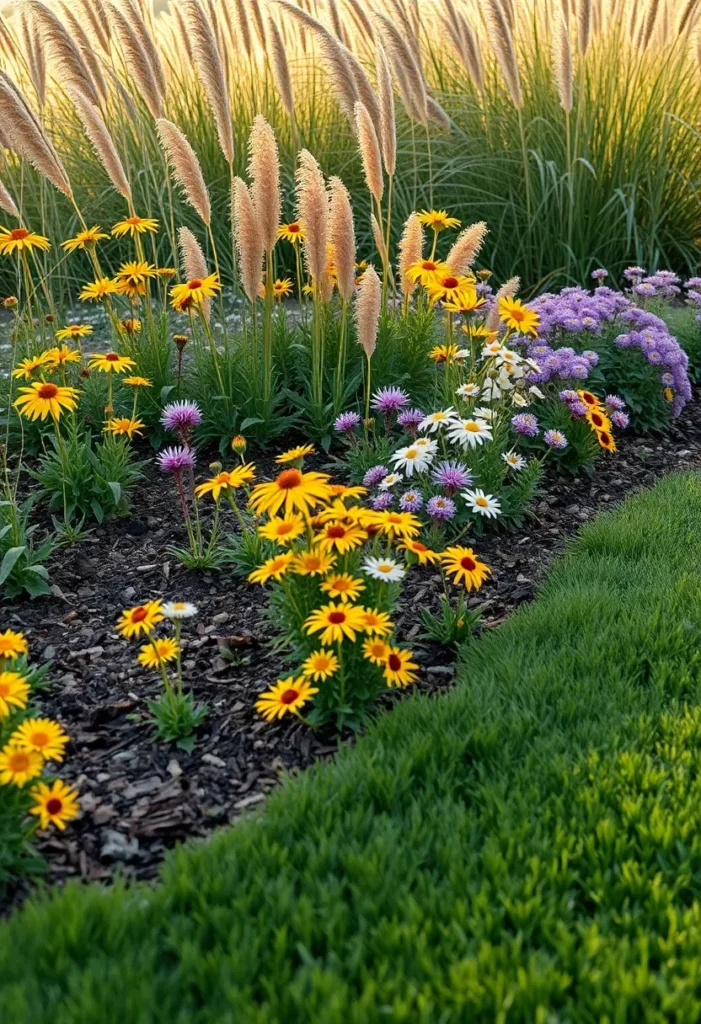
This style is as practical as it is poetic:
- Lower water use: well-chosen plants cope with local rainfall and heat
- Reduced upkeep over time: dense, established planting suppresses weeds
- Year-round interest: seed heads, foliage and blooms shift through the seasons
- Richer biodiversity: more butterflies, bees and birds
- A calming atmosphere: soft, flowing forms make a space feel restful
Key Principles of Naturalistic Garden Design
Great naturalistic garden design is never random. These five principles keep it graceful.
Right Plant, Right Place
Match each plant to its sun, soil and moisture conditions. Plants in the right spot grow strong and need far less intervention.
Layer Like a Meadow or Woodland
Combine tall, mid-height and low plants, plus ground covers. Layering mimics natural habitats and fills gaps that weeds would otherwise claim.
Repeat and Drift
Repeat a handful of key plants in irregular groups through the garden. This creates rhythm and cohesion without looking formal.
Embrace Seasonality
Plan for movement and change. Ornamental grasses, late bloomers and architectural seed heads keep interest alive well past the flowering peak.
Keep the Structure Subtle
Paths, seating and edging still matter, but they should blend in. Use natural stone, gravel or timber so built elements feel part of the landscape.
Ready to Plan Your Naturalistic Garden?
Studio Sachet is a premium landscape architecture and spatial design practice working across Jaipur and Mumbai. We design outdoor spaces that feel natural, personal and built to last.
[Book a consultation with Studio Sachet https://studiosachet.com/contact-us/ and let’s shape your naturalistic garden together.]
How to Create a Naturalistic Garden: Step-by-Step
Step 1: Read Your Site
Observe sun patterns, wind, soil type, slopes and drainage across seasons. Note existing trees and views worth keeping. The site tells you what will thrive.
Step 2: Define Your Goals and Palette
Decide how you want to use the space: relaxing, entertaining, play or wildlife watching. Then build a plant palette of grasses, perennials, shrubs and trees suited to your climate.
Step 3: Plan the Structure
Sketch paths, seating areas and any water features first. Keep lines curving and proportions generous so the garden invites you to wander.
Step 4: Prepare the Soil
Clear invasive weeds and improve soil with organic matter. Avoid over-feeding. Many naturalistic plants prefer lean soil and stay sturdier for it.
Step 5: Plant in Drifts
Place plants in odd-numbered groups and overlapping sweeps rather than neat rows. Plant densely so foliage knits together quickly.
Step 6: Mulch and Establish
Spread a layer of mulch to hold moisture and block weeds. Water deeply and regularly through the first season, then taper off as roots settle.
Maintenance Tips for Naturalistic Gardens

A naturalistic garden is not no-maintenance, but it is smarter maintenance. Work with the plants’ cycles instead of against them.
- Water wisely: deep, infrequent watering builds strong roots. Drip irrigation saves water.
- Weed early: stay on top of weeds during the first two years, until plantings close ranks.
- Cut back once a year: trim grasses and perennials at the end of the dry or dormant season to make way for fresh growth.
- Leave some seed heads: they feed birds and add winter structure.
- Divide and refresh: lift and split overgrown clumps every few years.
- Mulch annually: top up to protect soil and feed it slowly.
- Edit, don’t tidy: remove thugs and fill gaps, but allow gentle self-seeding.
A short monthly walk-through is usually all you need to spot problems early.
Conclusion
A naturalistic garden brings calm, colour and life to your surroundings while respecting the environment. By following the key principles, building the garden step by step and maintaining it with a light, informed touch, you create a landscape that grows more beautiful each year. The right guidance from the start makes all the difference to a naturalistic garden that truly flourishes.
Frequently Asked Questions
Is a naturalistic garden low maintenance?
It is lower maintenance than a formal garden once established, usually after the first two years. It still needs seasonal cutting back, mulching and occasional editing.
What plants work best in a naturalistic garden?
Ornamental grasses, native wildflowers, hardy perennials and regionally adapted shrubs work well. The best palette depends on your climate, soil and light.
Can I create a naturalistic garden in a small space?
Yes. Even a courtyard or terrace can hold layered planting, a few grasses and a small water bowl. Scale matters less than composition.
How is a naturalistic garden different from a cottage garden?
A cottage garden is dense, colourful and often traditional in feel. A naturalistic garden focuses on ecological planting, flowing drifts and a more wild-meadow or woodland character.
Bring Your Naturalistic Garden to Life with Studio Sachet
Your outdoor space deserves thoughtful, expert design. Studio Sachet combines ecological insight, spatial planning and refined craft to create gardens that feel effortless and endure.
[Contact Studio Sachet https://studiosachet.com/contact-us/ today to book your consultation and begin your naturalistic garden project.]