
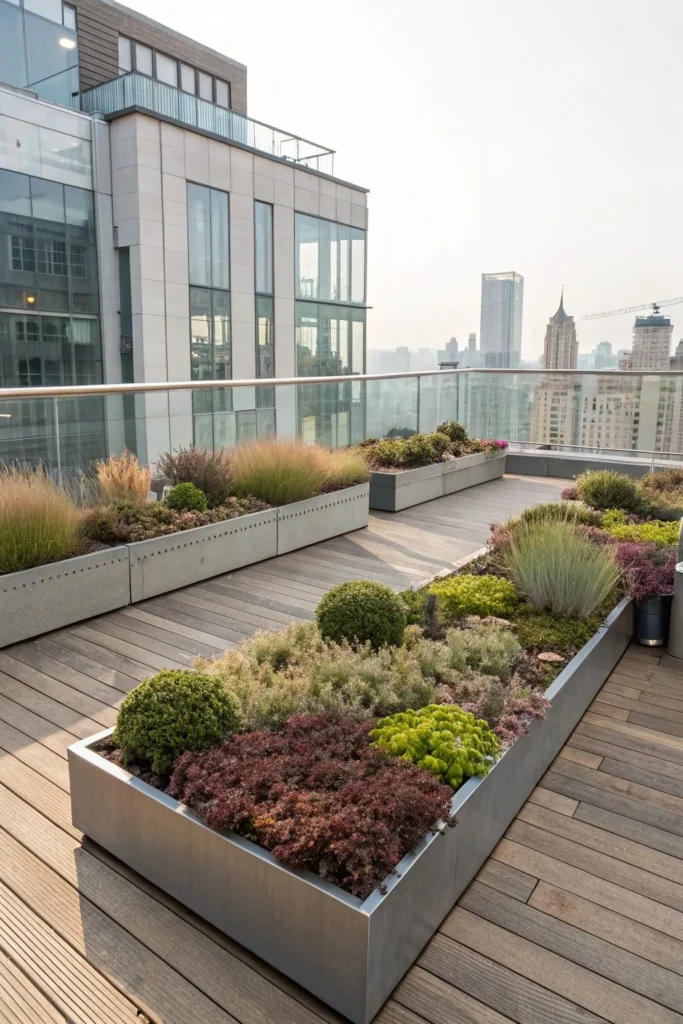
A bare rooftop is one of the most underused spaces in any home. With thoughtful roof garden design, that forgotten slab of concrete can become a calm, leafy retreat where mornings start slowly and evenings stretch out under the sky.
Whether you live in a Jaipur villa or a Mumbai apartment block, a green roof adds beauty, comfort, and value. This guide from Studio Sachet walks you through the essentials: space planning, styles, plants, and the exact steps to get started.
Why Roof Garden Design Is Worth the Investment
A rooftop garden is far more than decoration. Done well, it improves how your home feels and performs.
- Cooler interiors: Soil and foliage insulate the roof and reduce heat gain during hot months.
- Extra living space: Your terrace becomes a usable room for dining, reading or entertaining.
- Cleaner air: Plants filter dust and soften urban noise.
- Better water management: Planted beds slow rainwater runoff and ease pressure on drains.
- Higher property appeal: A well-planned green space makes a lasting impression on buyers and guests.
In dense cities, these benefits matter even more. A garden above the street gives you privacy, greenery, and quiet without needing a single extra square foot of land.
Small Roof Garden Design for Apartments
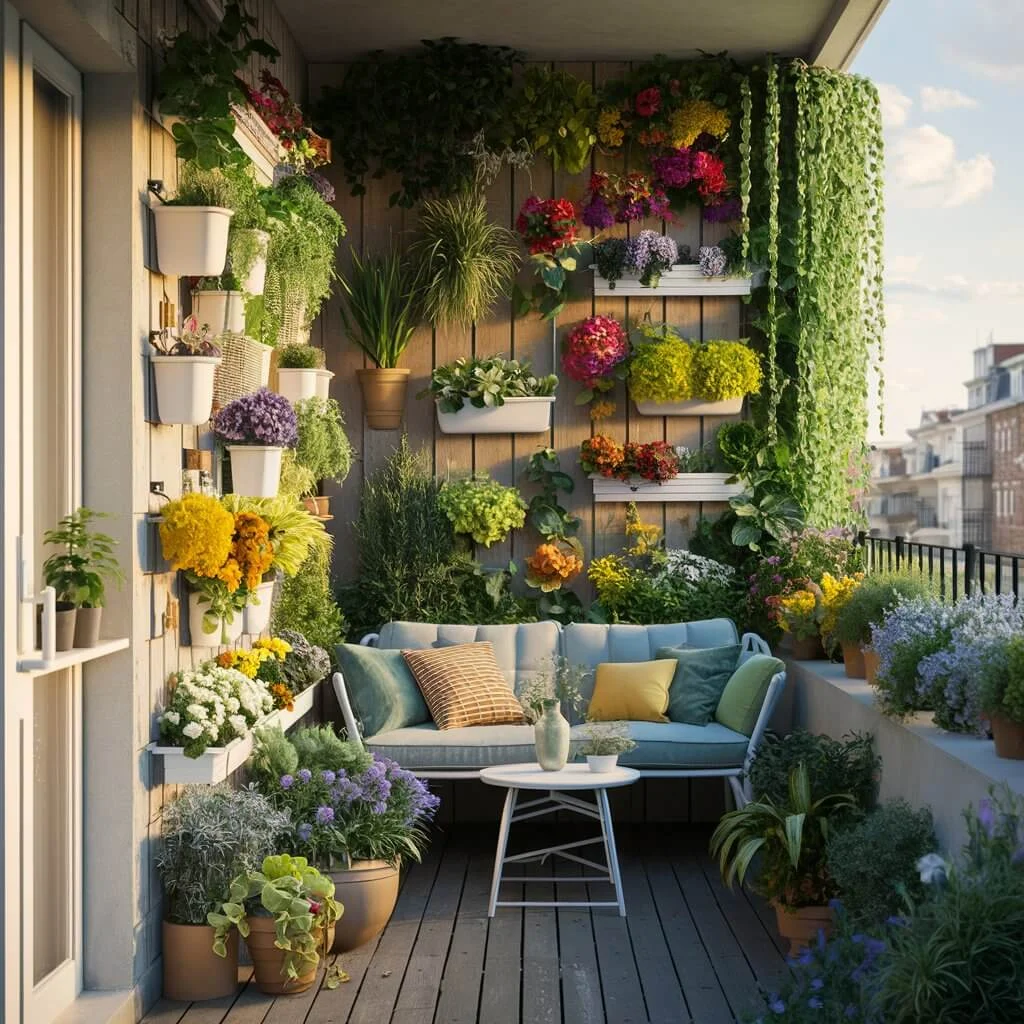
Limited space does not limit style. In fact, a compact terrace often produces the most intimate and carefully composed gardens. The secret is to design with restraint.
Think Vertical
Walls, railings, and pergolas are your best allies. Trellises, hanging planters, and wall-mounted troughs add greenery without eating into the floor area.
Choose Multi-Purpose Furniture
Built-in benches with storage, foldable chairs, and slim tables keep the layout flexible. Pick lightweight materials, since every kilogram counts on a rooftop.
Rely on Containers
Pots and raised planters are easy to move, simple to maintain, and gentle on the structure. Group them in odd numbers and vary heights to create depth.
Keep the Palette Simple
Stick to two or three foliage textures and one accent colour. A calm palette makes a small rooftop feel larger and more polished.
Modern vs Traditional Roof Garden Design
Your rooftop should reflect the way you live. Two broad styles dominate, and each has its own character.
| Modern | Traditional | |
|---|---|---|
| Lines | Clean, geometric, minimal | Soft, flowing, layered |
| Materials | Concrete, metal, composite decking | Terracotta, natural stone, timber |
| Planting | Structured grasses, succulents, sculptural shrubs | Flowering climbers, fragrant herbs, mixed borders |
| Mood | Sleek and architectural | Warm and nostalgic |
| Lighting | Linear LED, concealed strips | Lanterns, string lights, diyas |
Many of our favourite rooftops blend both. Imagine crisp modern planters filled with fragrant jasmine, or a minimalist deck softened by terracotta pots. The best approach is the one that suits your home and your habits.
Dreaming of a Rooftop Retreat?
Studio Sachet is a landscape architecture and spatial design practice working across Jaipur and Mumbai. We shape rooftops that feel effortless, enduring, and entirely your own.
Book a design consultation with Studio Sachet at https://studiosachet.com/ and let us turn your terrace into a space you never want to leave.
5 Steps to Design Your Own Roof Garden
Ready to begin? Follow this simple process to move from idea to a thriving green space.
Step 1: Assess Your Rooftop
Start with the basics. Check the roof’s load-bearing capacity, existing waterproofing, drainage points and exposure to sun and wind. Always consult a structural engineer before adding heavy planters or soil.
Step 2: Define How You Will Use It
Decide whether you want a dining corner, a quiet reading nook, a kitchen garden or a space for entertaining. Purpose shapes layout, so be clear from the start.
Step 3: Plan the Layout
Sketch zones for seating, planting, and circulation. Keep heavier elements near load-bearing walls or columns, and leave clear paths for movement and maintenance.
Step 4: Select Materials and Plants
Choose lightweight soil mixes, durable flooring, and weather-resistant furniture. Match your plant palette to sunlight, wind and your willingness to maintain it.
Step 5: Add Irrigation and Lighting
Drip irrigation saves water and effort, while layered lighting makes the garden magical after dark. Plan both early so wiring and pipes stay neatly hidden.
Best Plants for Roof Garden Design
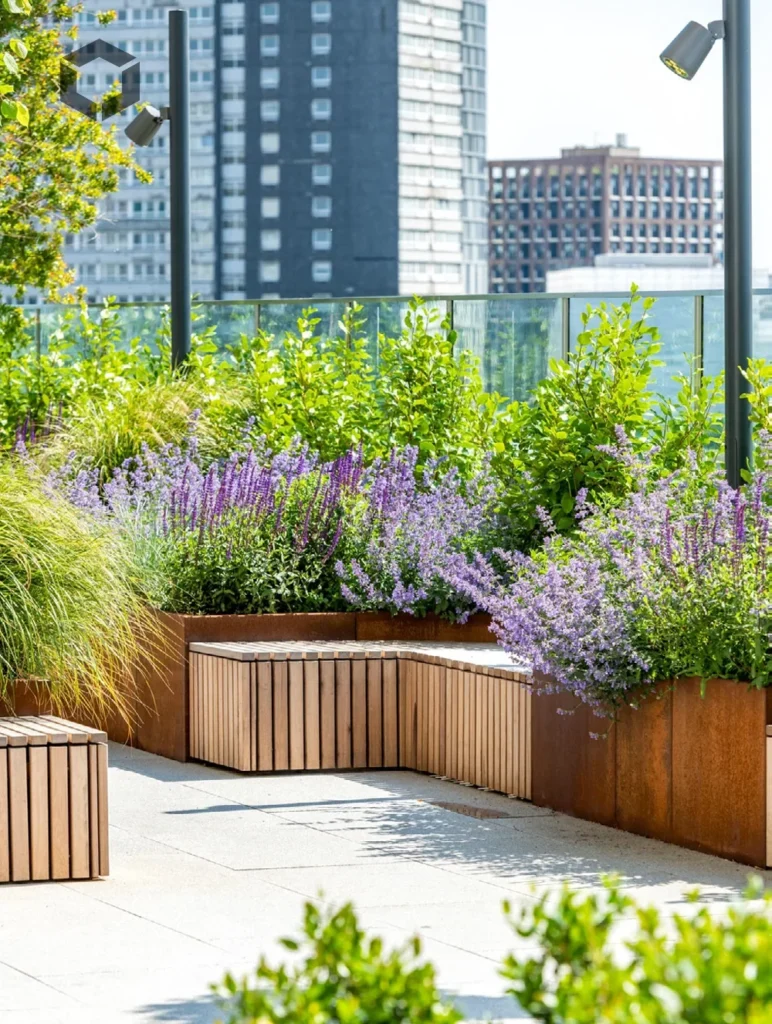
Rooftops are exposed. Plants face strong sun, wind, and shallow soil, so choose varieties that can handle the conditions.
Sun-Loving and Drought-Tolerant
- Succulents such as sedum and agave
- Bougainvillea for vibrant colour
- Ornamental grasses for movement
- Lavender and rosemary for fragrance
Fragrant and Flowering
- Jasmine and frangipani for evening scent
- Dwarf hibiscus for steady blooms
- Portulaca for low, colourful ground cover
Edible and Useful
- Tulsi, mint, and lemongrass
- Curry leaf in a large container
- Chillies and cherry tomatoes in raised beds
A good rule is to mix heights and textures. Place taller plants where they shelter smaller ones from wind, and group plants with similar water needs together.
Frequently Asked Questions
How much does roof garden design cost?
Costs depend on size, materials, structural work, and plant selection. A container-based terrace is far more affordable than a fully built-in garden with decking and irrigation. A consultation gives you a realistic estimate for your space.
Is a roof garden safe for my building?
Yes, when planned correctly. A structural assessment confirms what weight your roof can carry, and proper waterproofing and drainage protect the building. Lightweight soil and containers further reduce the load.
What are the best plants for a sunny rooftop?
Succulents, bougainvillea, lavender, rosemary, and ornamental grasses thrive in strong sunlight. They tolerate heat and need less water than most flowering annuals.
Can I create a roof garden in a rented apartment?
Often you can, using movable planters, lightweight furniture, and portable lighting. Check with your landlord or housing society first, and avoid permanent changes without approval.
Conclusion
A great roof garden design balances beauty, safety, and practicality. Start by understanding your rooftop, define how you want to use it, choose plants that suit the climate, and build the space step by step. Small or large, modern or traditional, a rooftop garden can become the most loved corner of your home.
Speak with Studio Sachet at https://studiosachet.com/ to bring your rooftop vision to life. Contact us today and start designing a green space as refined as the home beneath it.