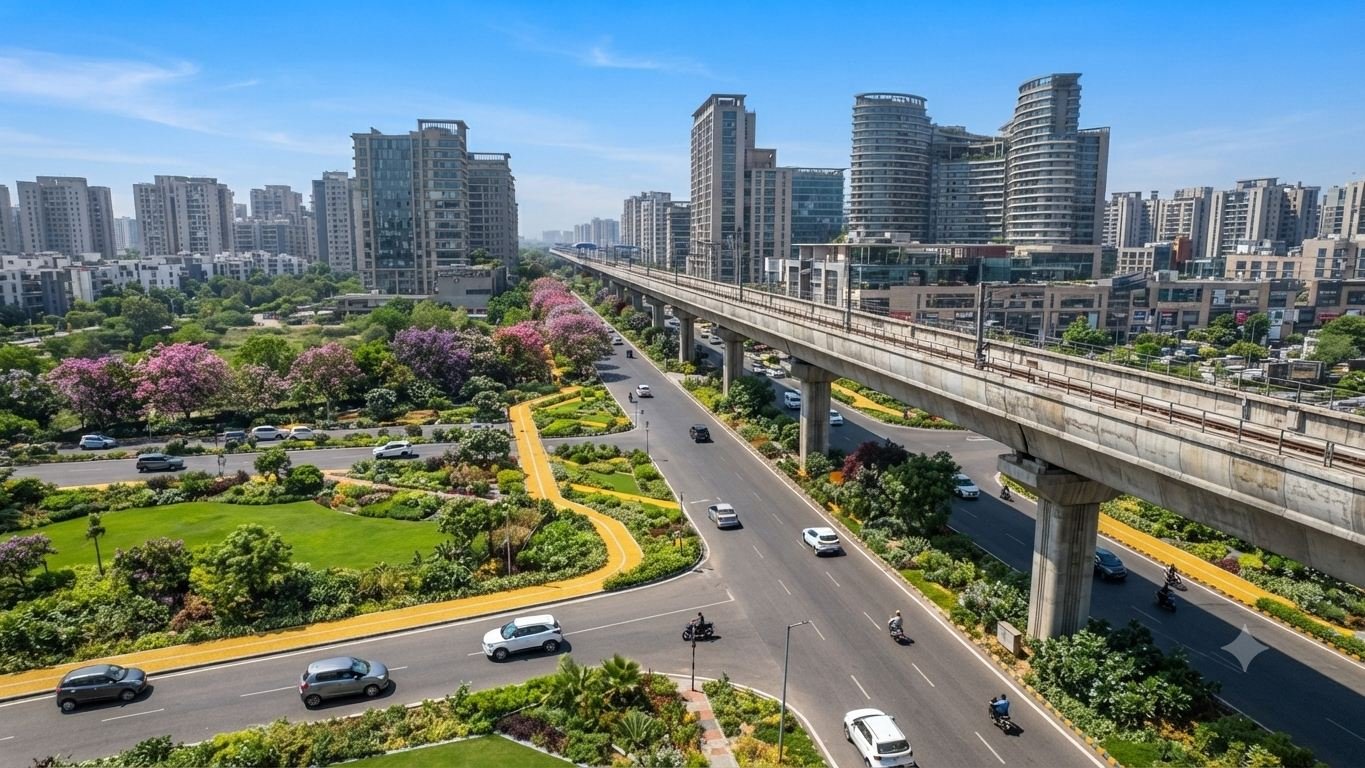
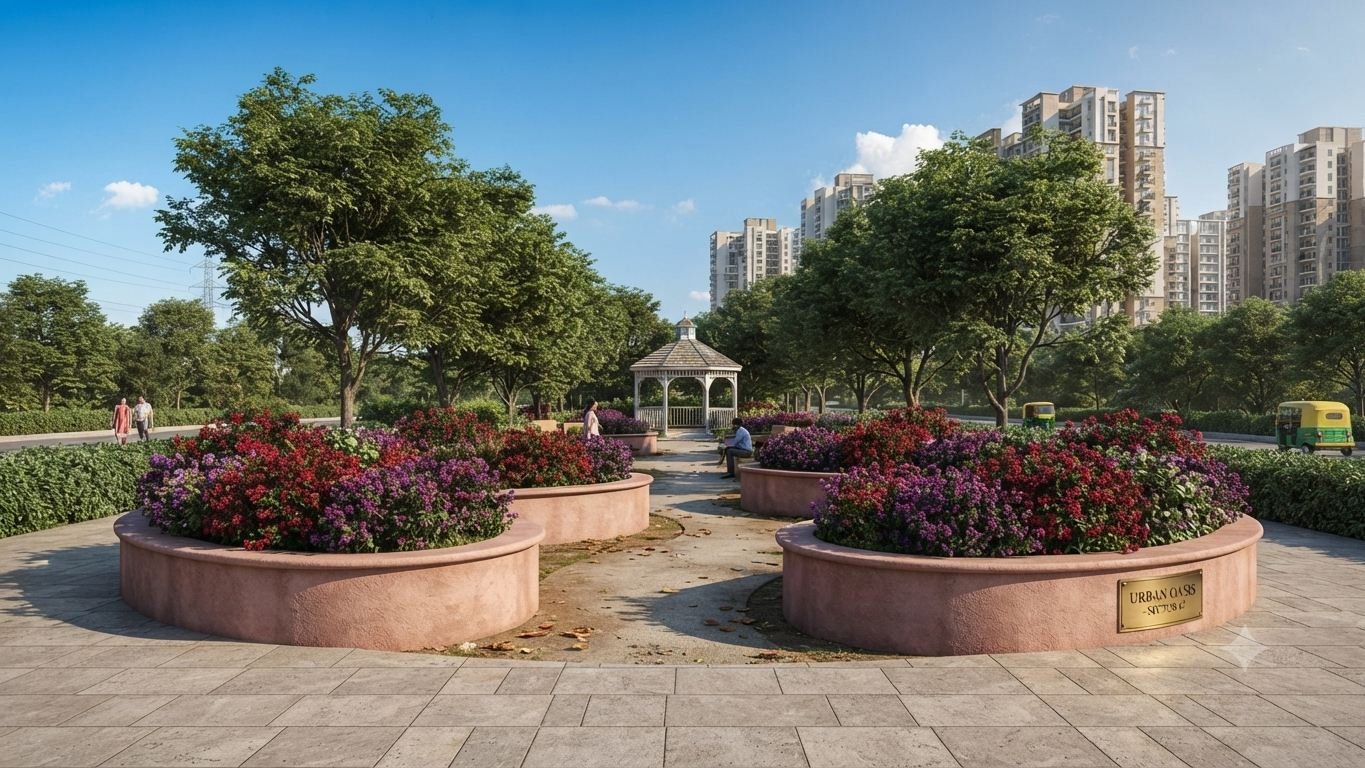
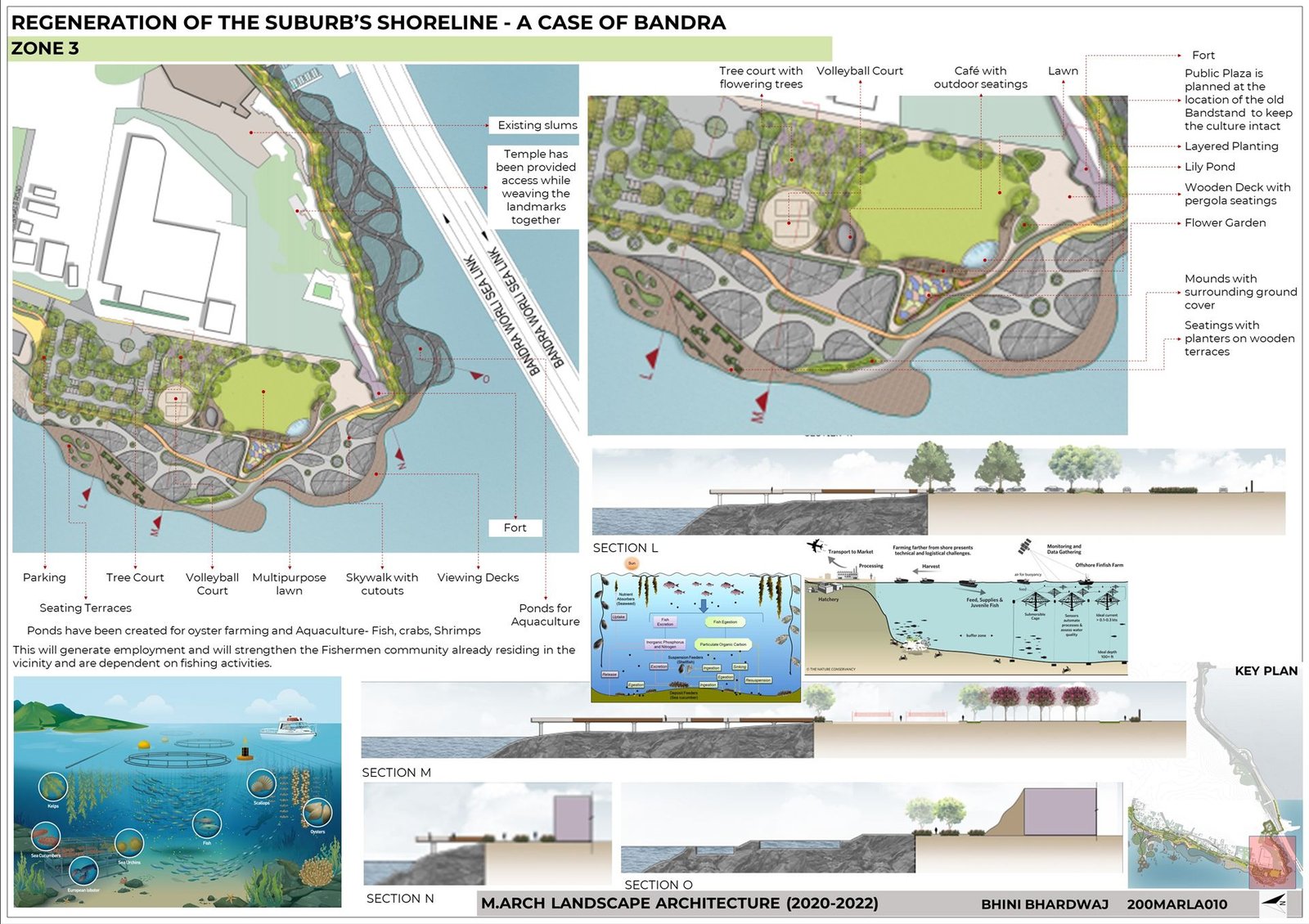
Garden Design: A Comprehensive Guide to Designing Stunning and Useful Outdoor Areas
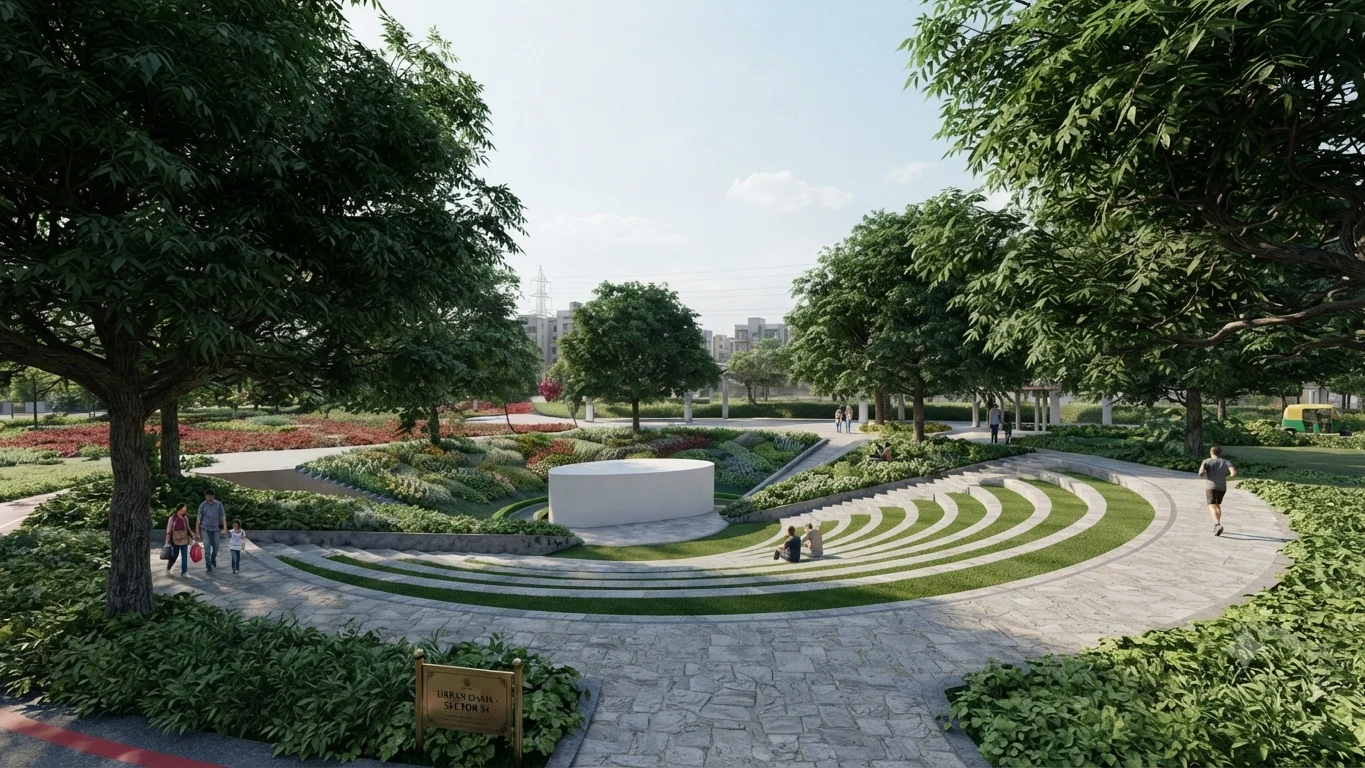
The process of organizing and designing an outdoor area that is esthetically pleasing, practical, and appropriate for its users is known as garden design. To create a cohesive environment, good garden design incorporates plants, walkways, seats, lighting, materials, and natural aspects. Whether you are designing a rooftop area, terrace, or tiny home garden, careful landscape design may make the space more practical and pleasurable all year long.
What Is Garden Design?
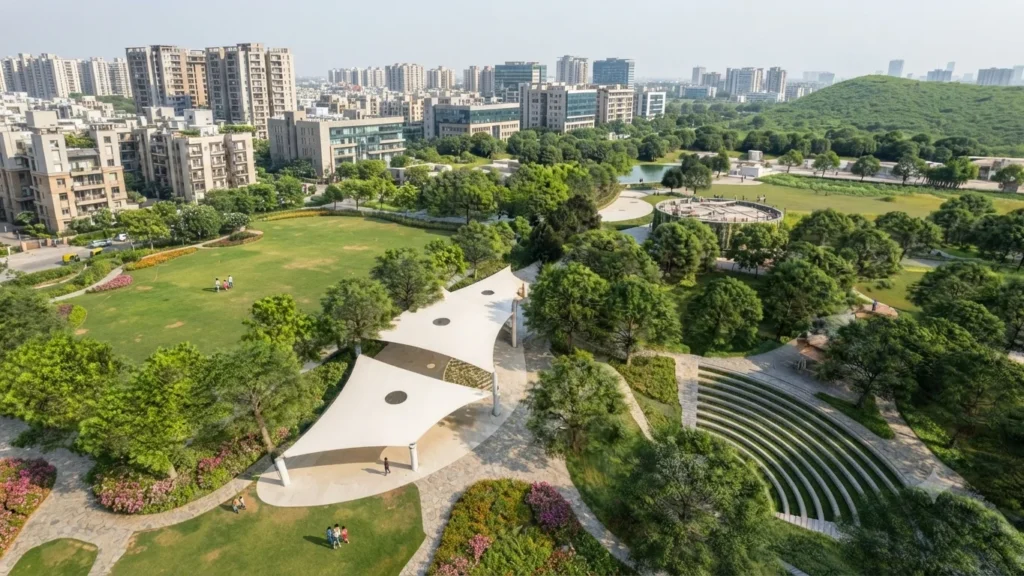
Choosing plants and arranging them around a home is only one aspect of garden design. It entails comprehending the garden’s area, climate, soil, sunlight, drainage, architecture, and human usage.
An effective garden should have a sense of community with its surrounds. Instead of seeming as distinct components, the arrangement, planting plan, materials, colors, textures, and proportions should all function together.
Professional design skills might be quite helpful in this situation. A landscape architect or garden designer may transform your specifications into a workable plan that takes long-term upkeep and esthetics into account.
Why Does Garden Design Matter?
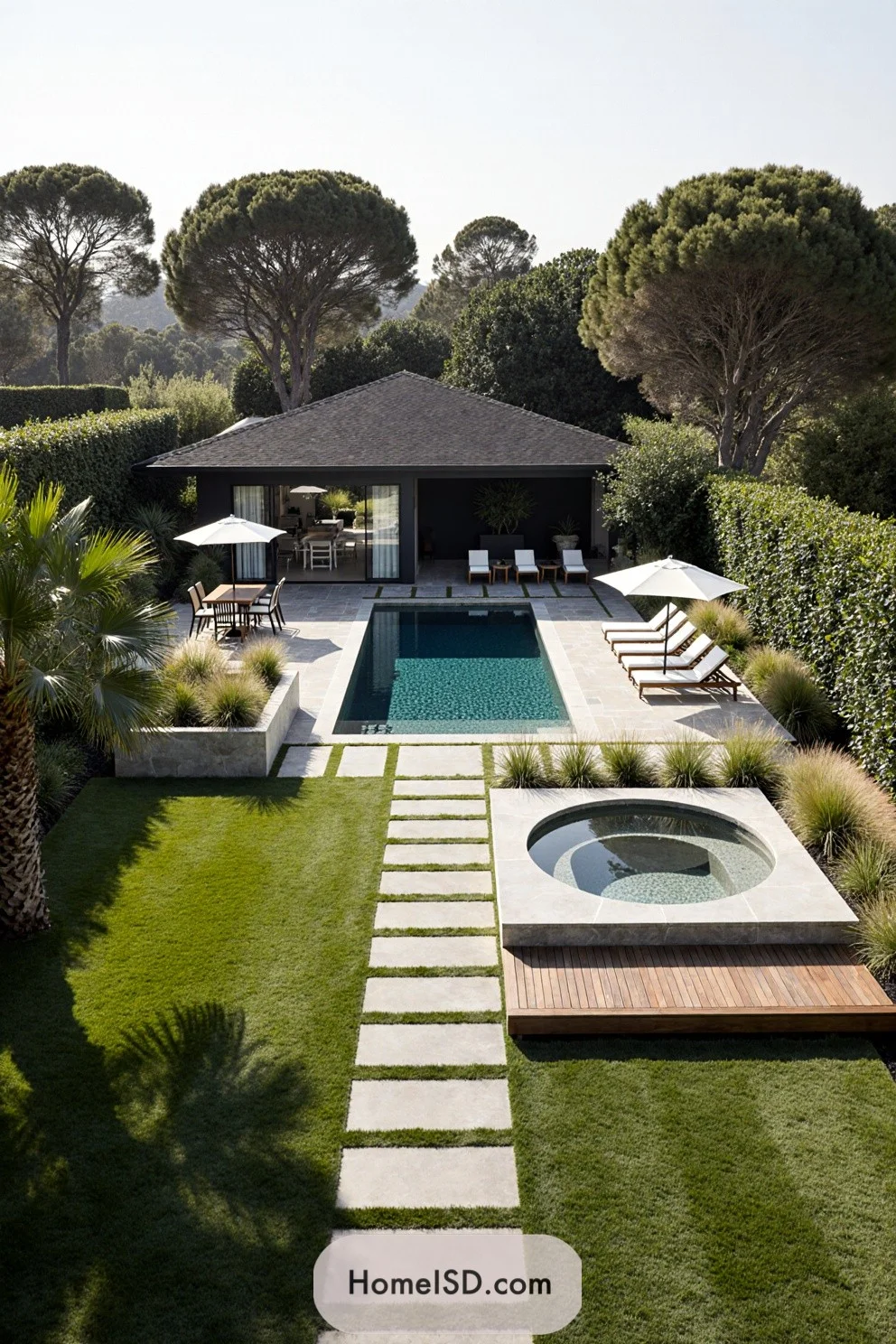
An regular outdoor space can become an extension of the house with a well-designed garden. It can offer areas for dining, gardening, entertaining, unwinding, or just taking in the scenery.
Good garden design can help you:
- Make better use of available outdoor space
- Create functional areas for different activities
- Improve the connection between indoor and outdoor spaces
- Choose plants that suit the local climate and conditions
- Improve privacy and screening
- Manage drainage and difficult levels
- Create shade and comfortable outdoor areas
- Reduce unnecessary maintenance
- Increase the visual appeal of a property
The largest or most costly gardens are not always the best. They are the ones where the design thoughtfully adapts to the site and the users’ needs.
The Fundamentals of Well-Designed Gardens
Understand the Site
Every garden has a different set of conditions. Before designing, it is important to consider the site’s size, orientation, sunlight, wind, soil, existing plants, drainage, views, access, and surrounding structures.
A site assessment helps identify opportunities and potential problems before construction begins.
Define How the Garden Will Be Used
Consider your goals for the area.
Would you like an eating space outside? A peaceful spot to read? A play area for kids? A place to host guests? A garden of vegetables?
An early definition of these specifications gives the design a greater sense of purpose.
Create a Clear Layout
A well-designed garden layout makes the area flow naturally. There should be a logical connection between paths, planting beds, lawns, terraces, seating places, and focal points.
This phase is crucial to landscape planning since it establishes the garden’s functionality before specific plants and other components are chosen.
Choose Plants Carefully
There should be more considerations when choosing plants than just looks. Sunlight, soil conditions, water needs, mature size, seasonal variations, upkeep needs, and compatibility with neighboring plants should all be taken into account.
A well-planned planting design can minimize needless upkeep and offer interest all year long.
Balance Hardscape and Softscape
Garden design generally combines two major elements:
Hardscape:
Paths, walls, paving, steps, decks, pergolas, seating, water features, and other built elements.
Softscape:
Trees, shrubs, grasses, flowers, groundcovers, and other living elements.
The balance between these elements creates the structure and character of the garden.
Home Garden Design Ideas
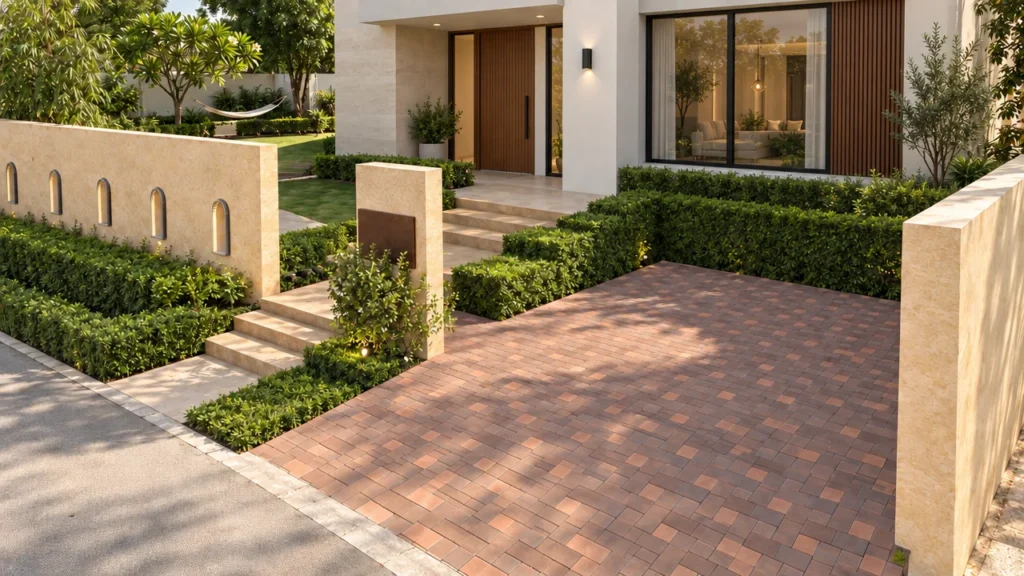
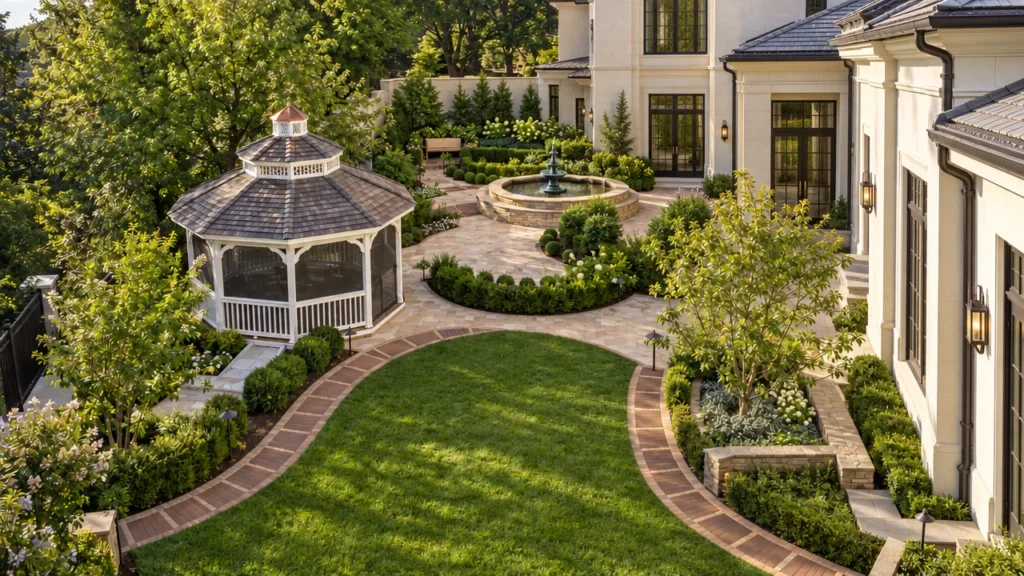
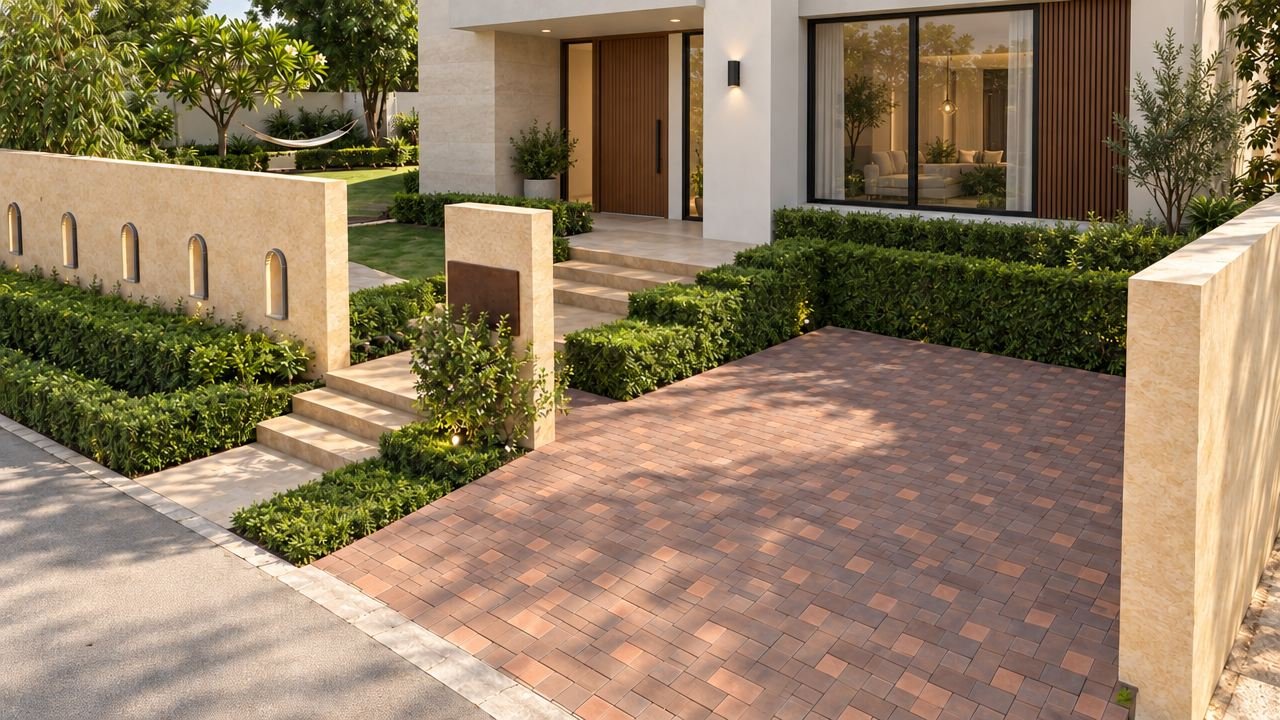
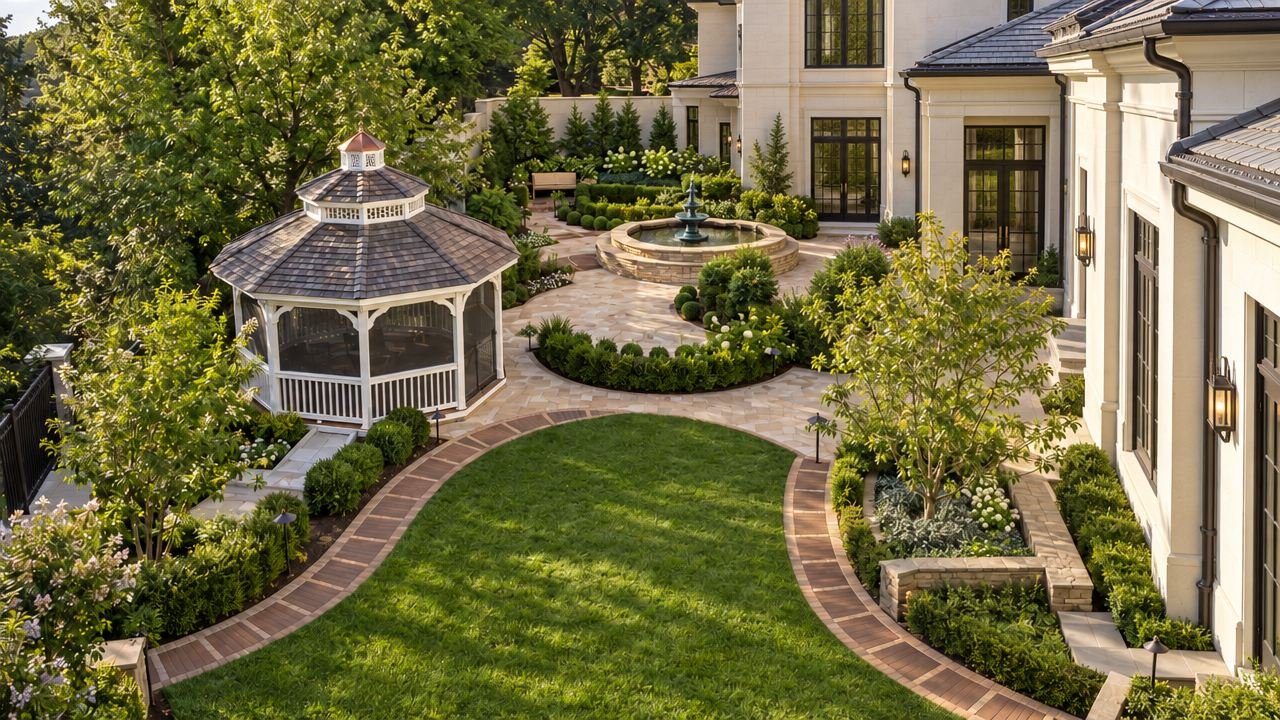
The architecture of the home and the way of life of its occupants should be reflected in the design of the home garden.
Layered planting, vertical planting, built-in seating, and thoughtfully placed trees may all help a small property feel larger without being overly crowded.
Different garden areas for dining, entertaining, relaxing, planting, and amusement can be established for bigger properties.
Taking into account the views from within the property is also beneficial when designing a house garden. A well-placed tree, planting bed, or other focal point can enhance the view from living rooms, bedrooms, and other areas that are utilized frequently.
Terrace Garden Design
With the correct strategy, a terrace can be transformed into a useful outdoor space.
Weight, drainage, waterproofing, sunlight, wind exposure, and irrigation are frequently important factors to take into account while designing terrace gardens. Prior to choosing plants or setting up planters, several technical aspects should be taken into consideration.
A cozy terrace garden can be created without feeling crowded with the use of furniture, built-in planters, vertical vegetation, screening, and tiered planting.
Using plants at varying heights can create depth to smaller terraces while maintaining useful floor space.
Roof Garden Design
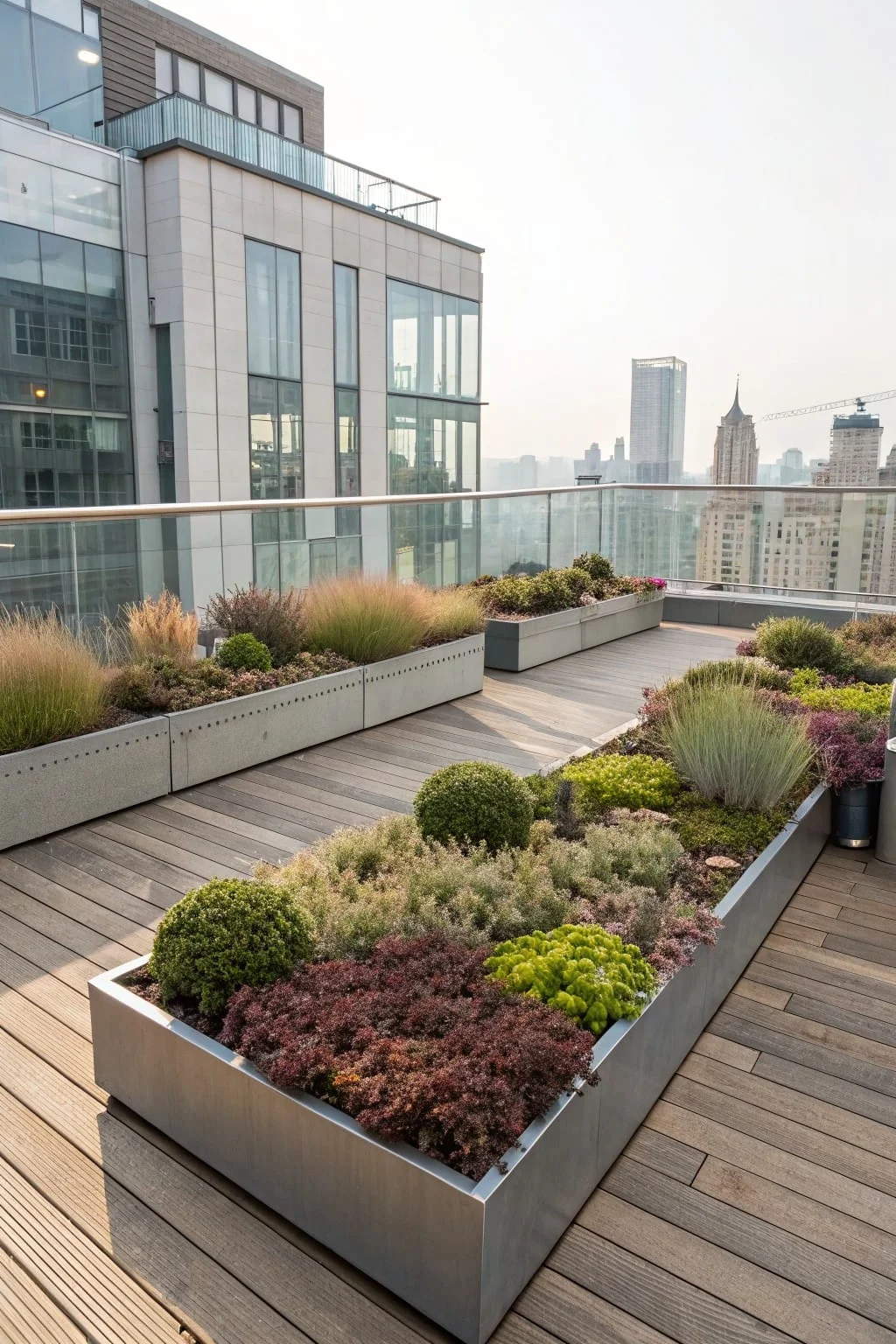
Compared to a traditional ground-level garden, a rooftop garden offers intriguing possibilities but necessitates more technical planning.
Structural load capacity, waterproofing, drainage, wind, access, irrigation, and upkeep should all be considered while designing a roof garden.
On exposed rooftops, choosing the right plants is especially crucial. In order to contribute to the overall design, plants must be able to withstand the particular environmental conditions of the location.
An underused roof can be transformed into a useful green area while solving the practical issues related to rooftop environments with a competent approach to rooftop garden design.
Garden Landscape Design
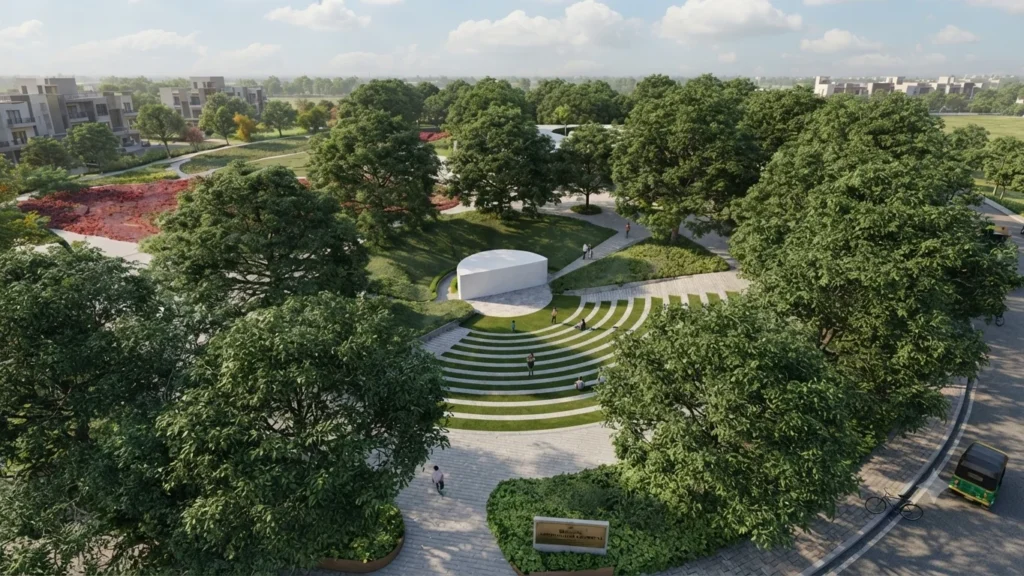
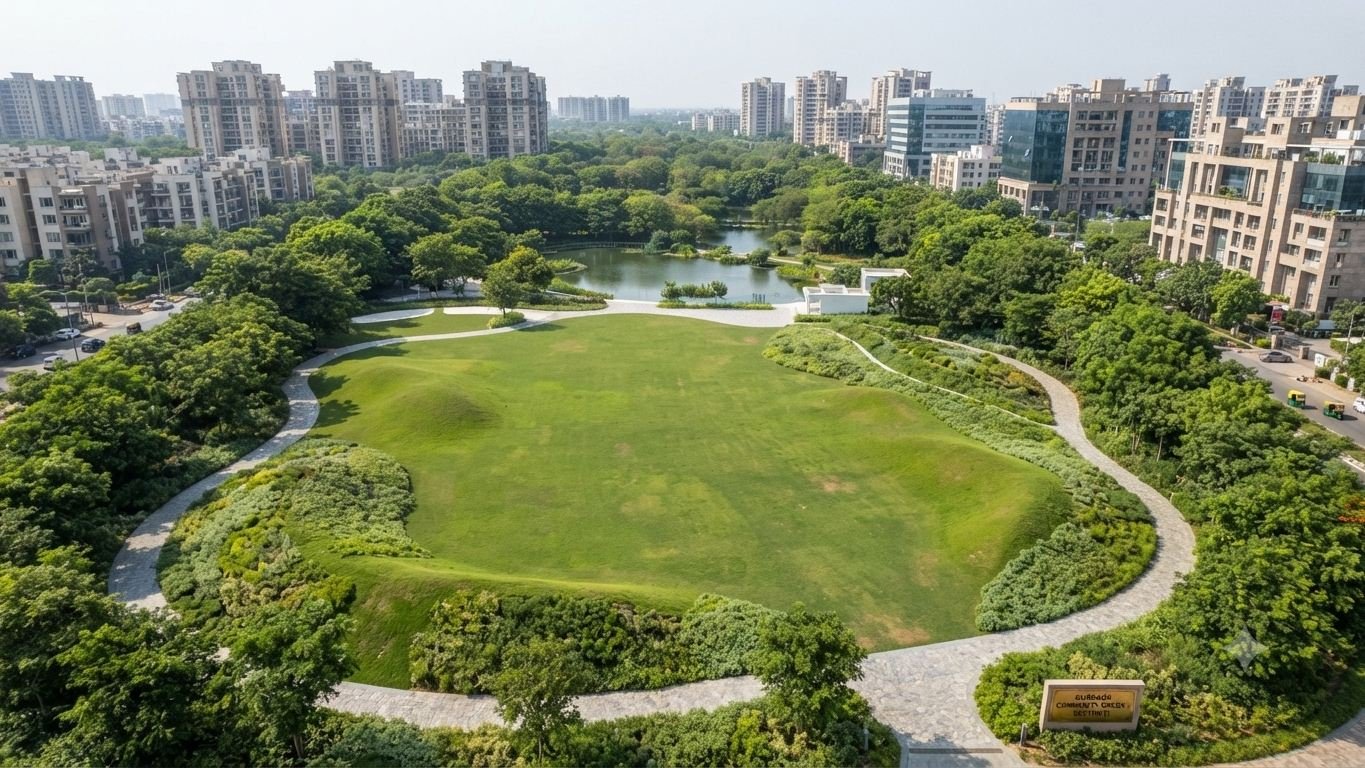
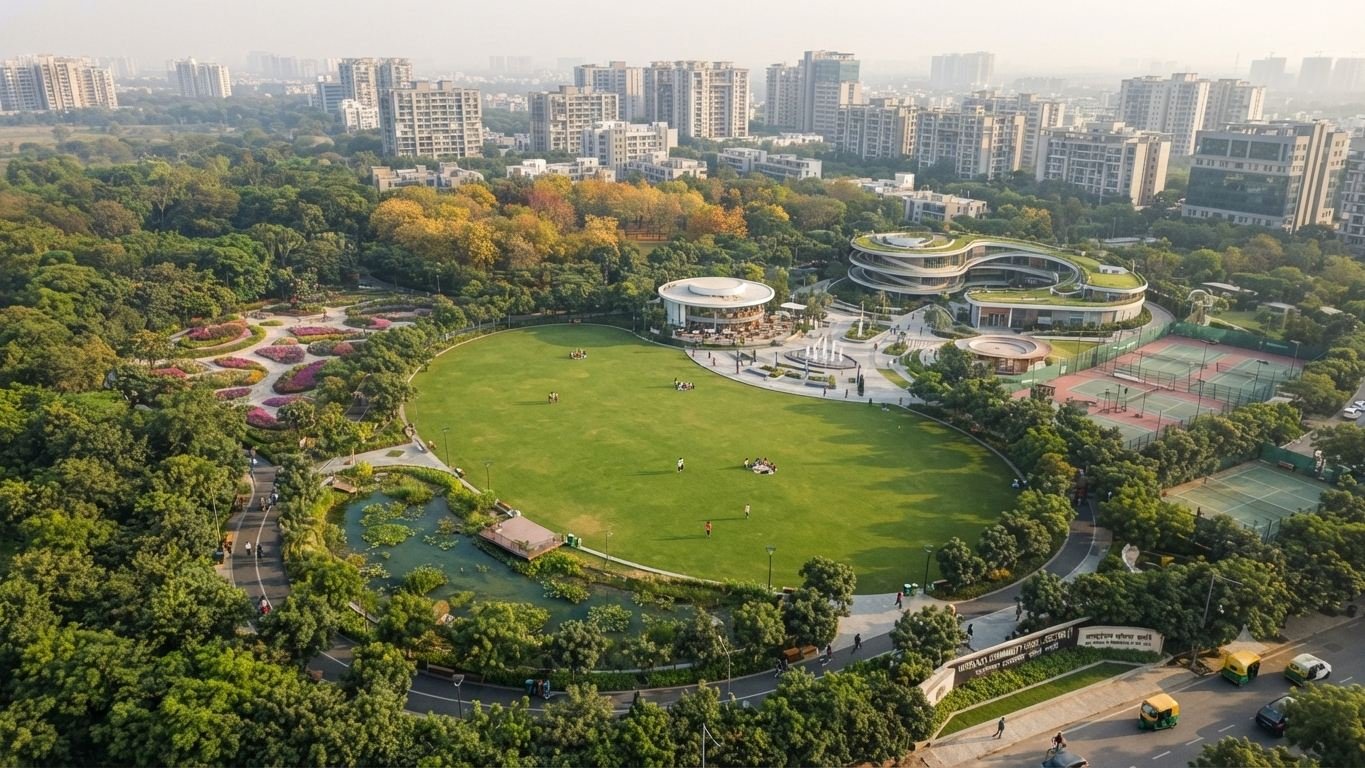
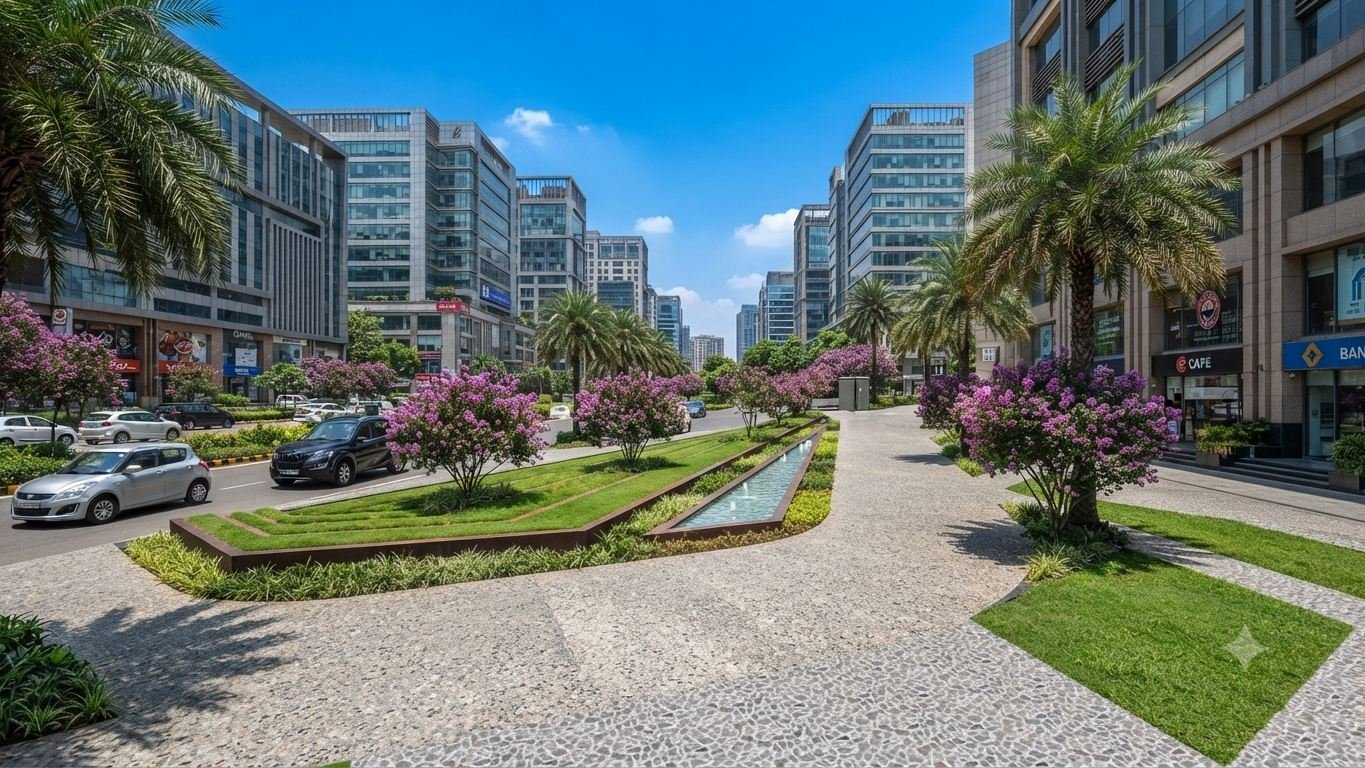
The structural and planting components of an outside area are combined in garden landscape design.
The technique takes into account how paths, plants, benches, walls, water, lighting, and architecture interact together rather than creating each element separately.
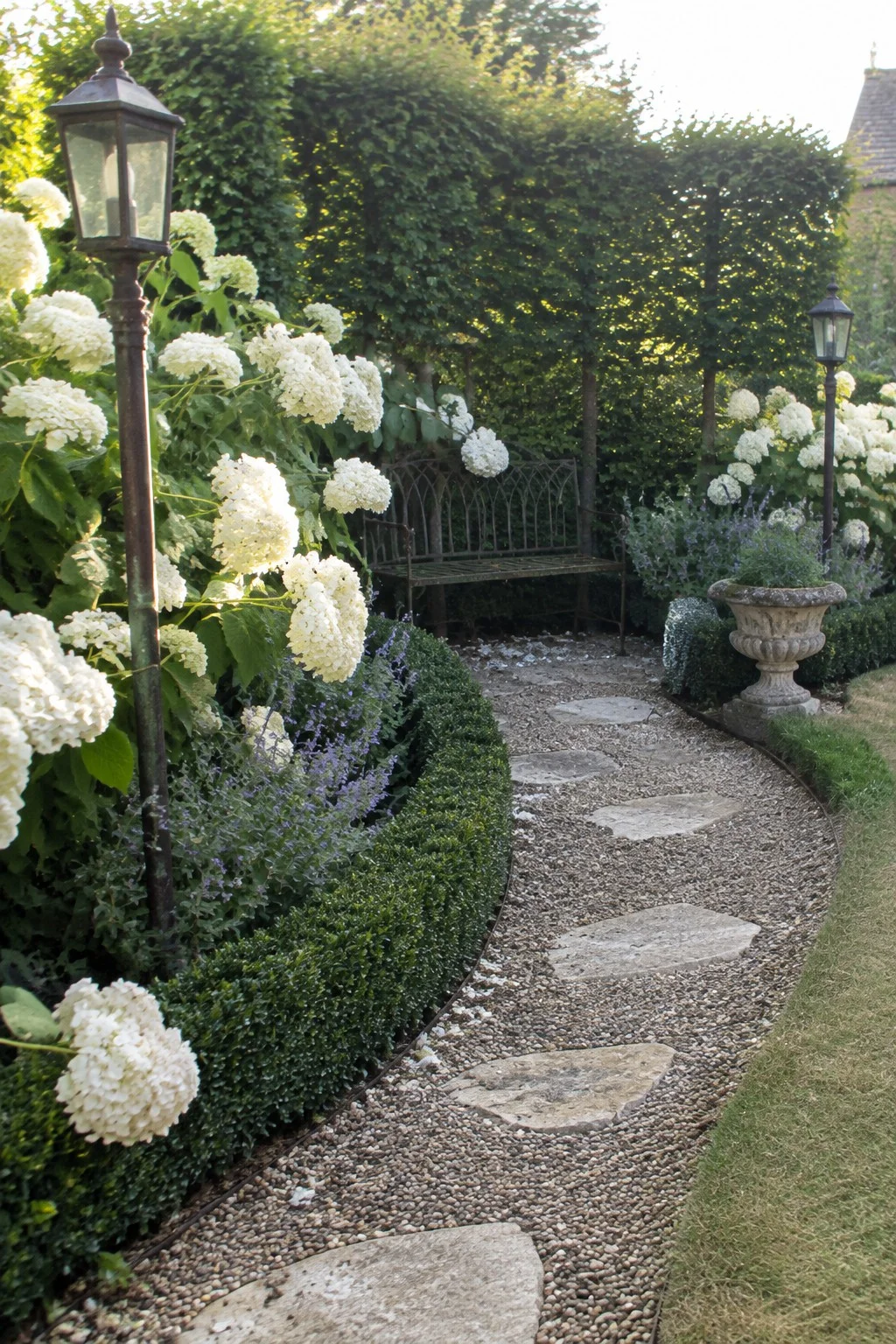
For instance, a pathway should be more than just a means of getting from one place to another. Its placement can divide various garden sections, frame a view, build suspense, or lead to a focal point.
It is this all-encompassing method that transforms disparate garden components into a cohesive environment.
Garden Landscaping vs. Garden Design
Although they are not exactly the same, garden design and garden landscaping are closely related.
Planning the garden’s layout, character, planting scheme, materials, and utility is the main focus of garden design.
Bringing the concept to life through site preparation, planting, paving, construction, irrigation, drainage, and other execution tasks is the main focus of garden landscaping.
The two ought to collaborate. While excellent gardening without a defined design can create a place that feels disjointed, a stunning concept can fail if it is poorly executed.
For this reason, it is essential to think of garden design and landscaping as a single, integrated process.
Naturalistic Garden Design
A naturalistic garden aims to create a landscape that feels connected to nature rather than overly formal or artificial.
Naturalistic gardens often use:
- Layered planting
- Native or climate-appropriate species
- Ornamental grasses
- Informal planting arrangements
- Seasonal variation
- Natural materials
- Habitat-friendly planting
- Soft transitions between planting areas
The goal is not necessarily to make a garden look completely wild. Instead, the design uses natural forms and planting relationships to create a relaxed and ecologically responsive environment.
The Role of a Landscape Architect
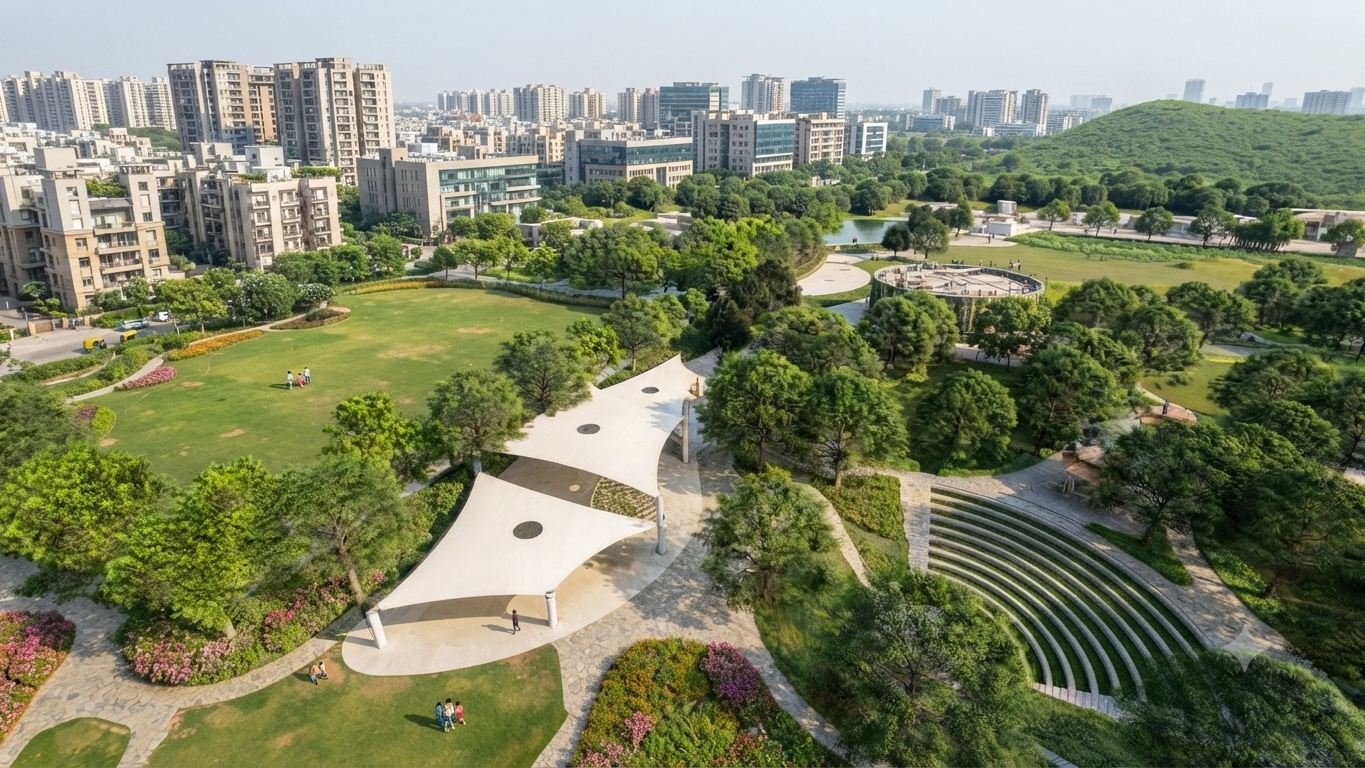
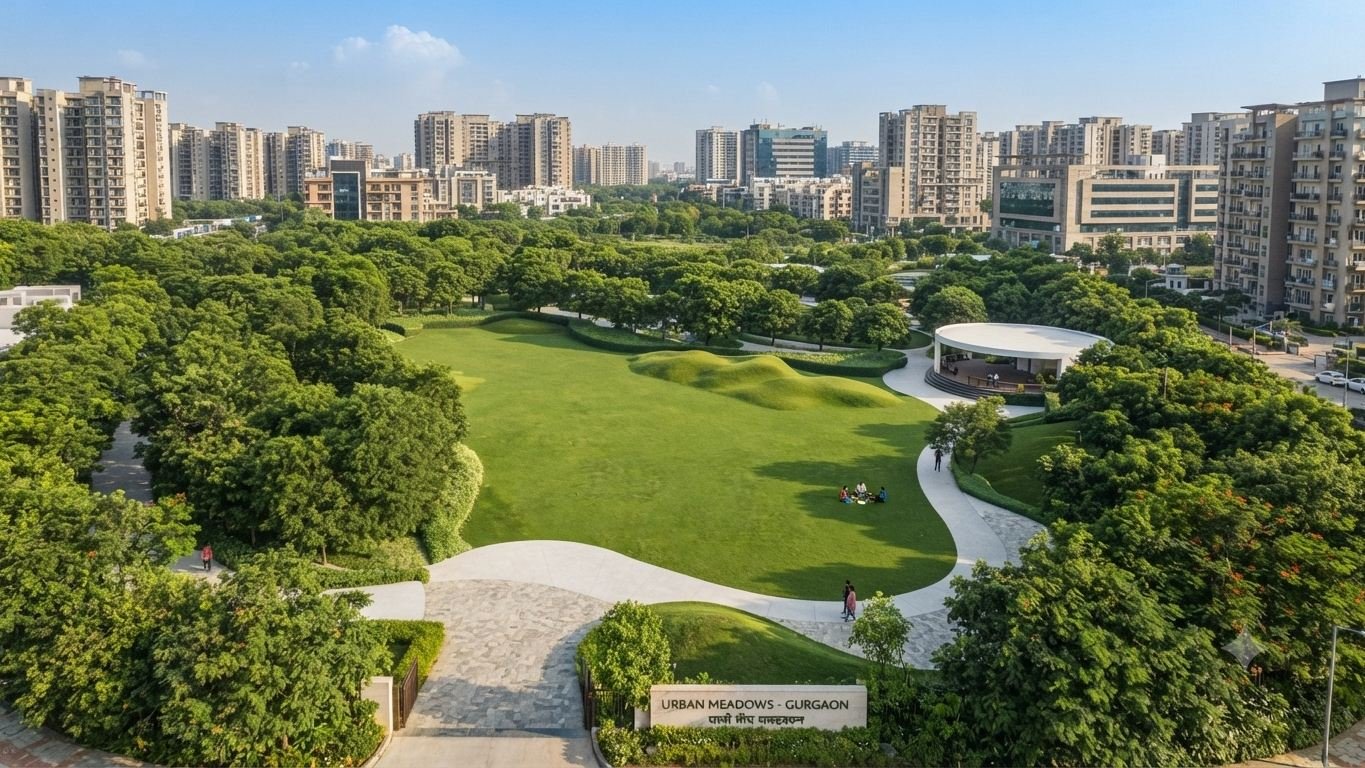
Larger residential and commercial landscapes as well as individual gardens and terraces can all benefit from the work of a landscape architect.
Site study, concept formulation, spatial planning, planting design, material selection, technical coordination, and project execution may all fall under their purview.
Because garden design must cooperate with architecture, drainage, construction, lighting, irrigation, and other site requirements, professional landscape experience can be especially helpful for more complicated projects.
Landscape Design Services
Professional landscape design services can help take a garden project from an initial idea to a detailed and buildable plan.
Depending on the project, the process may include:
- Site analysis and consultation
- Understanding the client’s requirements
- Concept development
- Space planning and layout
- Planting design
- Material and feature selection
- Detailed drawings and specifications
- Coordination with contractors
- Installation and project supervision
- Ongoing garden development and maintenance guidance
The exact process should be adapted to the site’s scale, budget, architecture, and intended use.
How to Plan a Garden Step by Step
A practical garden planning process can be divided into several stages.
Step 1: Analyse the Site
Document dimensions, sunlight, existing trees, soil, drainage, access, views, and surrounding buildings.
Step 2: Establish Priorities
Determine how the garden needs to function and what features are most important.
Step 3: Develop the Layout
Create zones for seating, circulation, planting, recreation, and other activities.
Step 4: Select Materials
Choose paving, walls, furniture, timber, stone, lighting, and other materials that complement the architecture and planting.
Step 5: Develop the Planting Scheme
Select plants according to climate, sunlight, soil, water requirements, mature size, maintenance, and visual character.
Step 6: Consider Long-Term Maintenance
A garden should be designed not only for the day it is completed but also for how it will look and function several years later.
Sustainable Garden Design
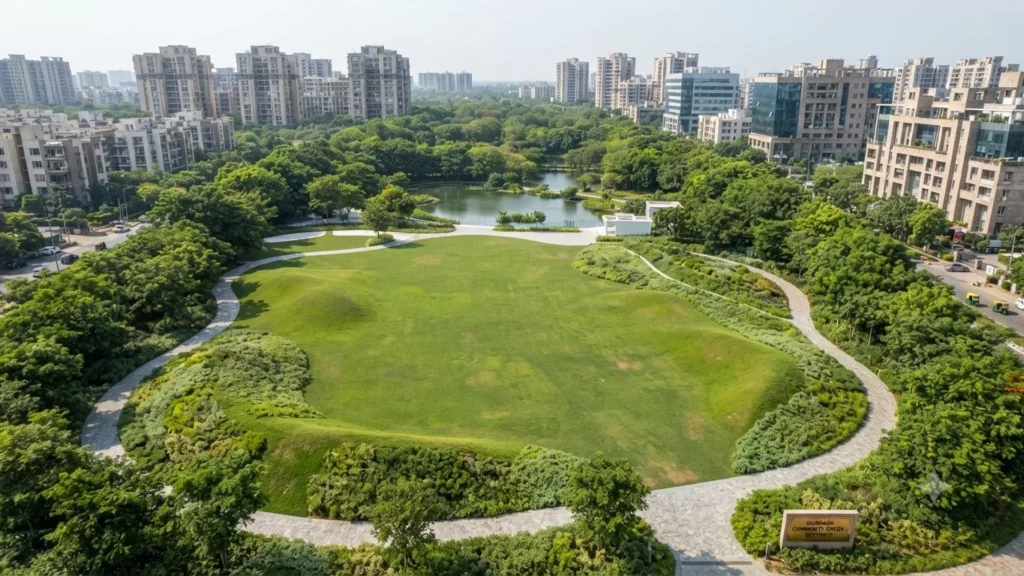
There are useful ways to integrate sustainability into garden design.
A more ecologically conscious garden can be achieved by using climate-appropriate plants, enhancing soil health, collecting rainwater, cutting back on superfluous lawn space, using long-lasting materials, and providing habitat for pollinators and birds.
Esthetics are not sacrificed in the name of sustainable design. Working with natural processes can often result in landscapes that are more esthetically pleasing and require less upkeep.
How Much Does Garden Design Cost?
The cost of garden design varies considerably depending on the size and complexity of the project.
Factors that can influence the overall cost include:
- Garden size
- Site conditions
- Design complexity
- Planting requirements
- Materials
- Hardscape construction
- Irrigation
- Lighting
- Drainage
- Existing structures
- Level changes
- Installation and maintenance
Rather than choosing a design based only on the lowest initial cost, consider the long-term value of the space and the quality of the planning, materials, planting, and implementation.
Concluding Remarks
The goal of good garden design is to create an outside area that is both esthetically pleasing and functional. The best designs adapt to the site’s natural features, blend in with the architecture, represent the client’s way of life, and are easy to maintain over time.
Starting with careful planning may make the difference between a collection of garden features and a truly coherent outdoor setting, whether you are designing a home garden, terrace garden, roof garden, or bigger landscape.
Working with seasoned experts who comprehend both design and implementation can help guaranty that the final landscape is taken into account from the initial concept to its long-term evolution for complex projects.