Landscape Design: A Comprehensive Guide to Designing Stunning and Useful Outdoor Areas
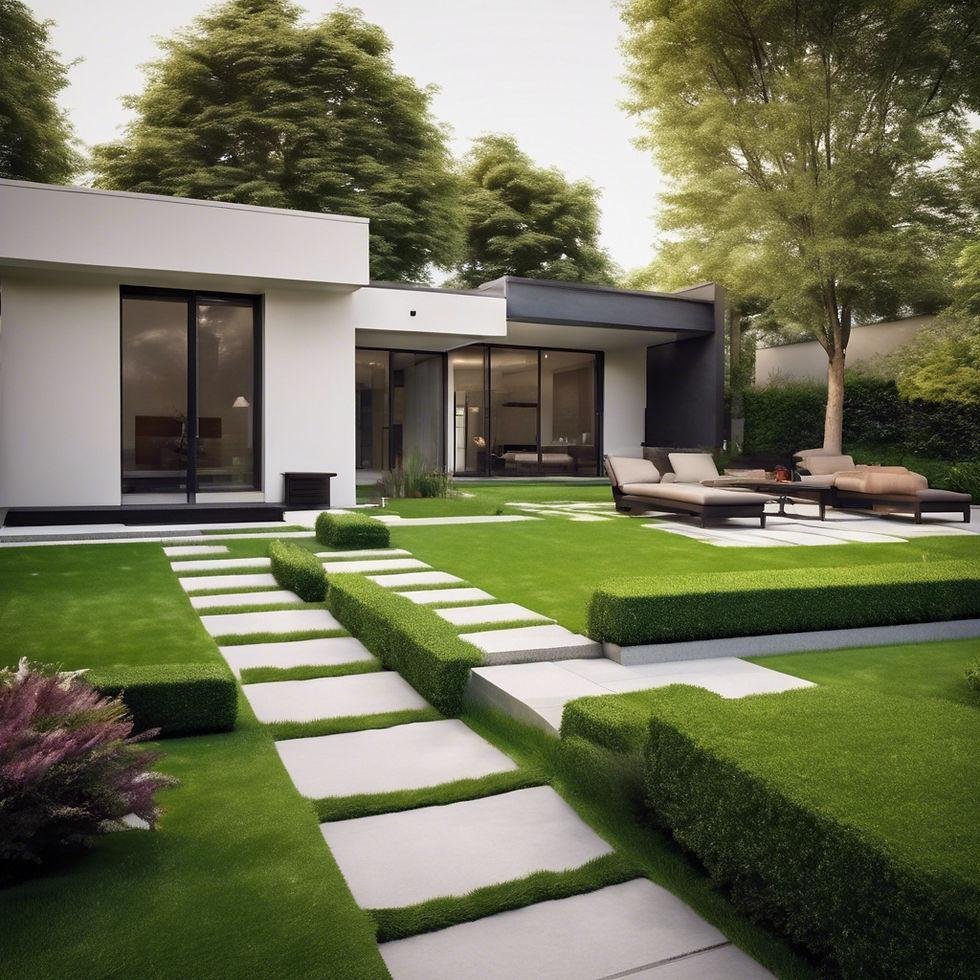

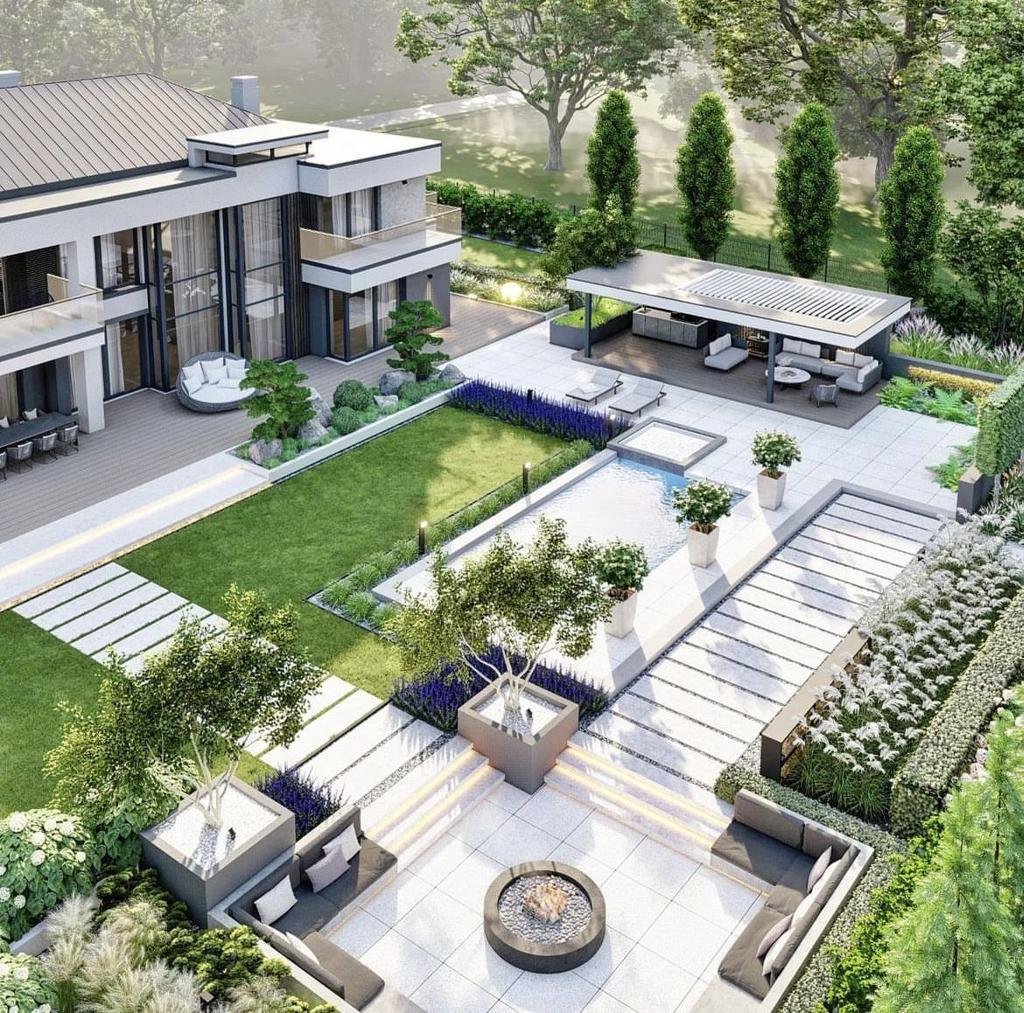
The process of organizing outdoor areas to make them aesthetically pleasing, practical, cozy, and appropriate for their environment is known as landscape design. To create a unified space, it incorporates paths, water features, lighting, plants, hardscape pieces, and other outdoor components.
A well-designed landscape takes into account the long-term demands of its users, the local climate, maintenance needs, and how a space will be used in relation to its architecture. A well-thought-out landscape design may turn an outdoor space into a functional component of the surrounding environment, whether it be a private garden, residential property, hospitality space, or commercial development.
What is Landscape design?

The planning and design of outdoor areas combining built and natural features to provide a useful and aesthetically pleasing setting is known as landscape design. Planting, walkways, grass, trees, seating sections, walls, lights, water, and other landscape aspects are all taken into account.
At the nexus of architecture, horticulture, environmental concerns, and spatial planning is landscape design. Making an outdoor space functional for its intended purpose is more important than just making it seem good.
A landscape designer takes into account things like:
- The site’s measurements and current state
- Patterns of sunlight and shade
- Drainage and soil
- Local environmental conditions and climate
- Current vegetation and trees
- The property’s architectural style
- Circulation and movement
- Views and privacy
- Outdoor pursuits and user needs
- Requirements for maintenance
- Planting options and materials
Instead of treating the garden or outdoor space as a distinct component, good landscape design fosters a relationship between the constructed environment and the natural world.
What Makes Landscape Design Vital?
Because it shapes an outdoor space’s appearance, functionality, and atmosphere, landscape design is crucial. A thoughtfully designed landscape may enhance usability, produce cozy outdoor spaces, fortify the bond between structures and the natural world, and maximize available space.
Outdoor areas may become challenging to utilize, aesthetically disjointed, or needlessly costly to maintain without a defined design approach.
A well-designed landscape can assist:
Boost functionality
Areas for entertaining, unwinding, dining, moving around, entertainment, or gardening can all be clearly defined in a well-planned outdoor area. Every space can be arranged based on how users are anticipated to utilize it.
Strengthen the relationship between landscape and architecture
Instead than competing with the building, the landscape should enhance it. It is possible to create visual continuity between the building and its surroundings by choosing outside structures, planting, materials, and proportions.
Utilize available space more effectively
Opportunities and constraints within a site can be found with the use of landscape planning. With proper planning, even modest outdoor spaces can be divided into functional zones.
Make the space more cozy
While adapting to the site’s climate and conditions, trees, plants, seating, shaded spots, and suitable materials can all help create a more comfortable outdoor space.
Encourage ongoing upkeep
Over time, a landscape can be made easier and more practical to manage by choosing plants and materials based on the site’s characteristics.
Good Landscape Design Principles
Balance, proportion, rhythm, repetition, contrast, unity, hierarchy, and functionality are all important components of a well-designed landscape. These guidelines aid in arranging various landscape components into a composition that is harmonious and aesthetically pleasing.
Equilibrium
In a landscape, balance establishes visual steadiness. It can be asymmetrical, in which various pieces attain balance through their visual weight, or symmetrical, in which elements are arranged similarly on both sides.
Scale and Proportion
The scale of the site and the surrounding architecture should be taken into consideration while designing plants, buildings, walkways, furniture, and other elements. An outdoor area may feel out of balance if a feature is too big or too small.
Harmony
Unity guaranties that various landscape components function as a single, cohesive design. Cohesion can be achieved by the use of consistent materials, planting palettes, forms, and colours.
Repetition and rhythm
Throughout the landscape, movement can be guided and visual rhythm created by repeating specific plants, materials, shapes, or structural features.
Contrast
Differences in texture, form, colour, height, or material can all be used to create contrast. When used properly, it can provide visual interest without creating a disorganized atmosphere.
Structure
The landscape’s hierarchy determines which components are most crucial. A visual point of emphasis could be a main tree, water feature, sculpture, seating area, or architectural vista.
Usability
A stunning landscape must also function well. Aesthetics should be taken into account along with circulation, access, seats, drainage, maintenance, seclusion, and the planned activities.

Describe the process of designing a landscape.
Understanding the site and the client’s needs is usually the first step in the landscape design process. This is followed by idea creation, careful planning, the choice of materials and plants, and execution. Depending on the project’s size and complexity, the precise procedure may change.
1. Examination of the site
Understanding the current site is the first step. Dimensions, topography, soil, drainage, sunlight, wind, current vegetation, views, access, and nearby structures may all be studied.
2. Comprehending requirements
The real use of the area should be reflected in the design. Areas for entertainment, dining, leisure, relaxation, planting, privacy, and other activities are examples of client requirements.
3. Development of concepts
The general direction of the terrain is established by the original concept. Spatial zones, circulation routes, focal points, planting character, materials, and the connection between interior and outdoor areas can all be defined.
4. Development of designs
The idea gets expanded into a more thorough scheme. At this point, it is possible to combine planting, paving, walls, lighting, furnishings, irrigation, water features, and other components.
5. Selection of plants and materials
The climatic conditions of the site, design goals, availability, durability, maintenance needs, and budget should all be taken into consideration while choosing plants and materials.
6. Implementation and documentation
Installation can be guided by comprehensive drawings and specifications. Coordination between designers, suppliers, contractors, and other experts during implementation ensures that the design is faithfully translated into the actual landscape.
7. Extended development
After installation, a landscape keeps changing. Materials weather, plants grow, and user needs might change. A well-thought-out landscape plan takes the space’s future development into account.
What are the Different Types of Landscape Design
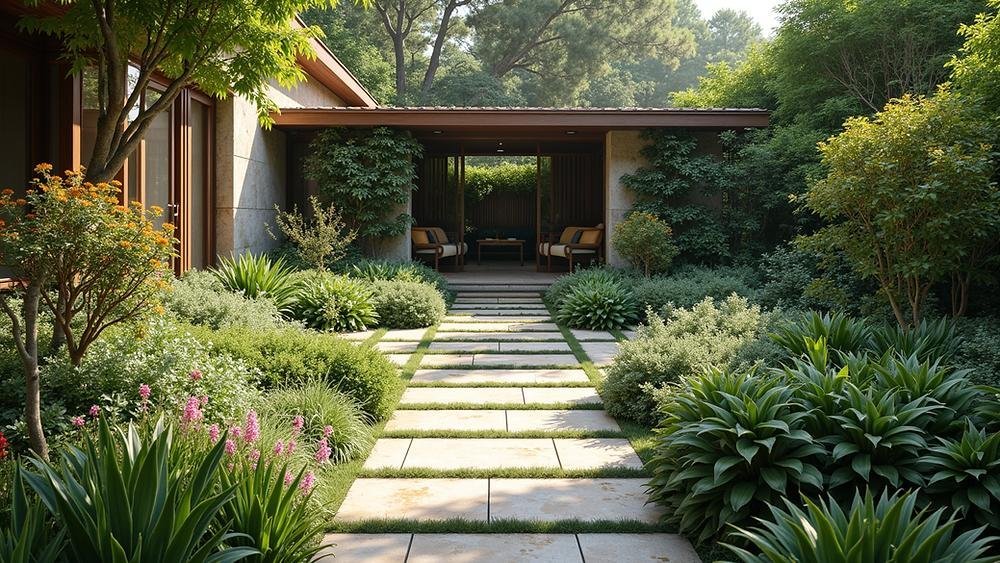
The main types of landscape design include residential, commercial, hospitality, public, institutional, and ecological landscape design. Each type responds to different users, site conditions, functional requirements, and design objectives.
Residential landscape design
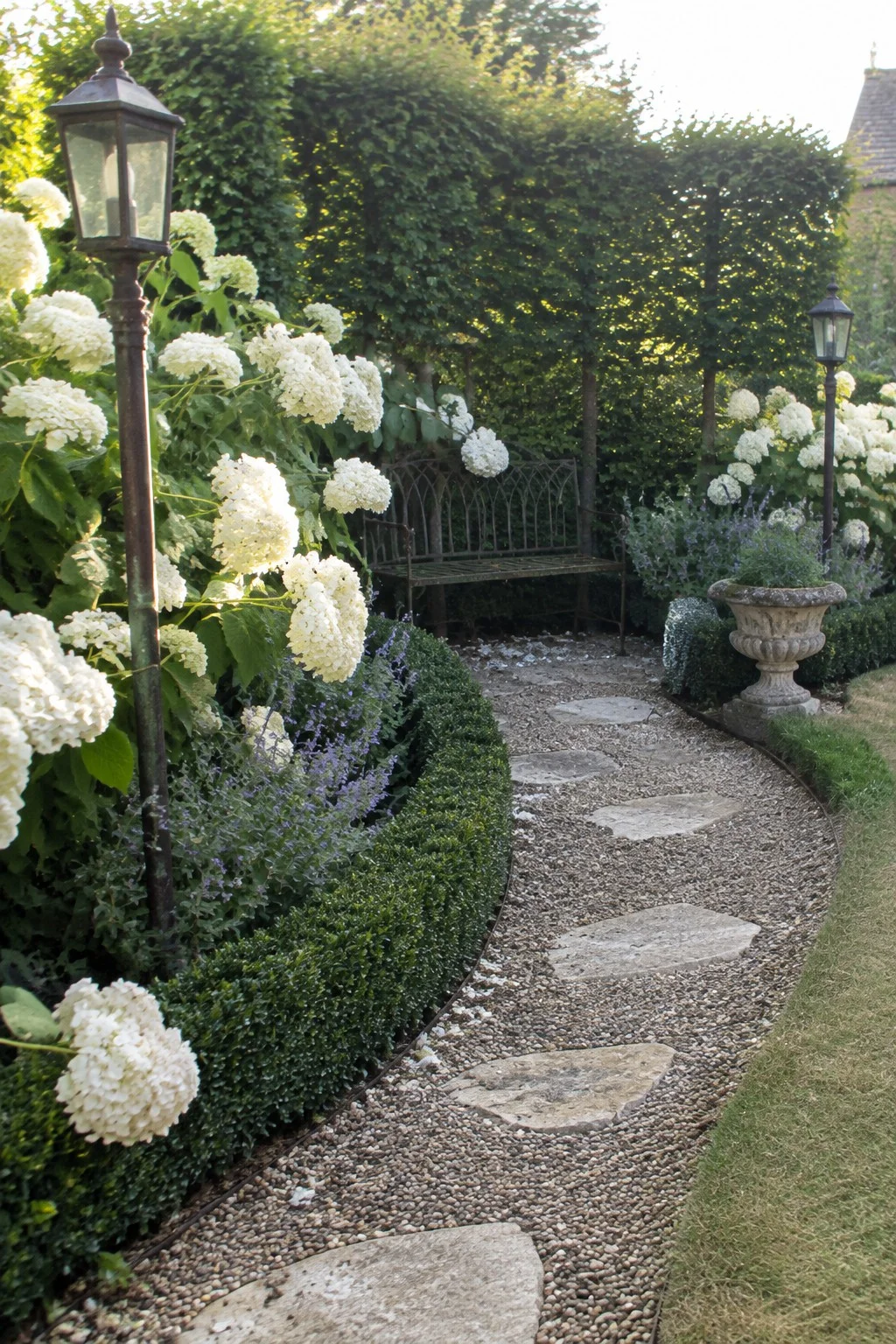
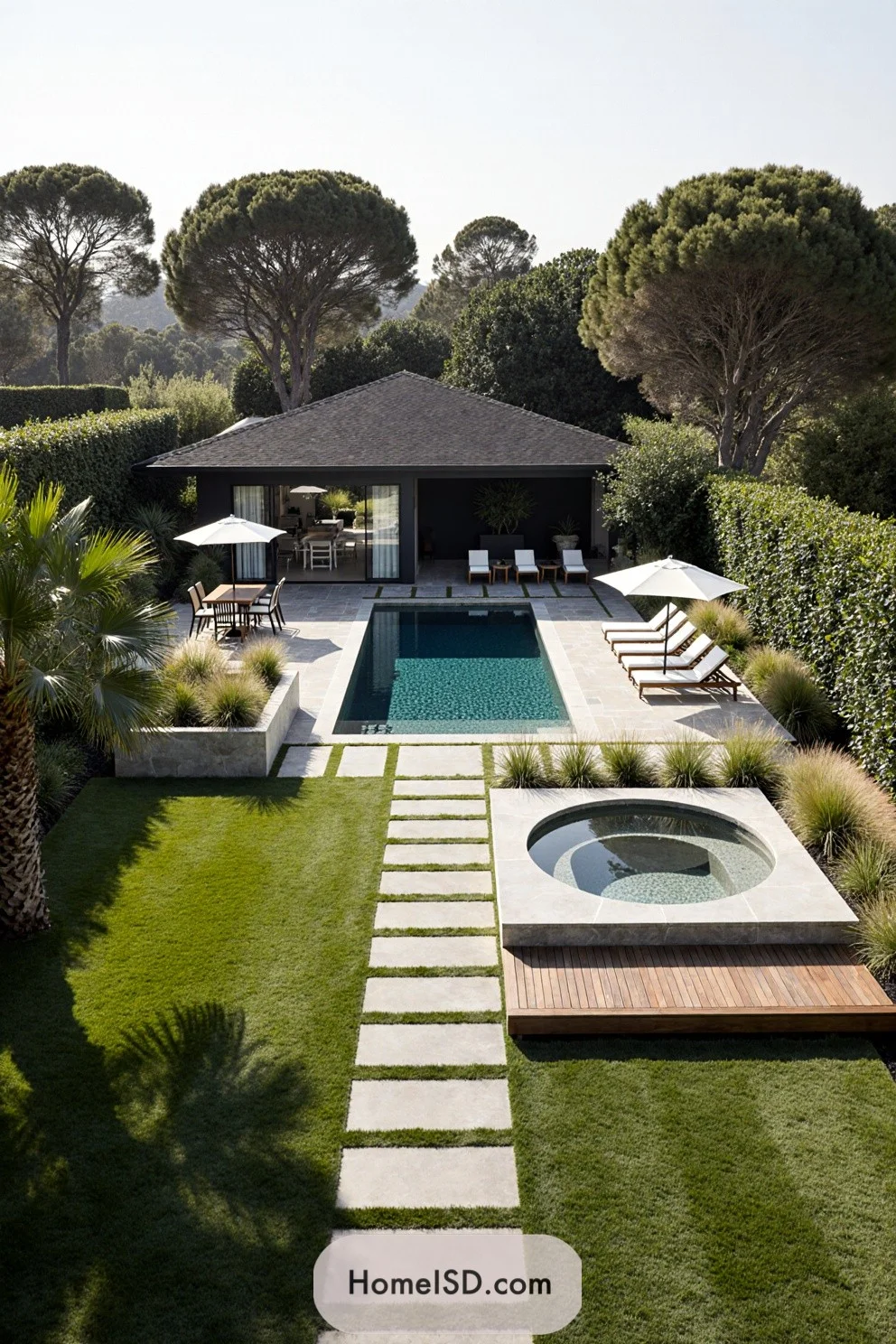
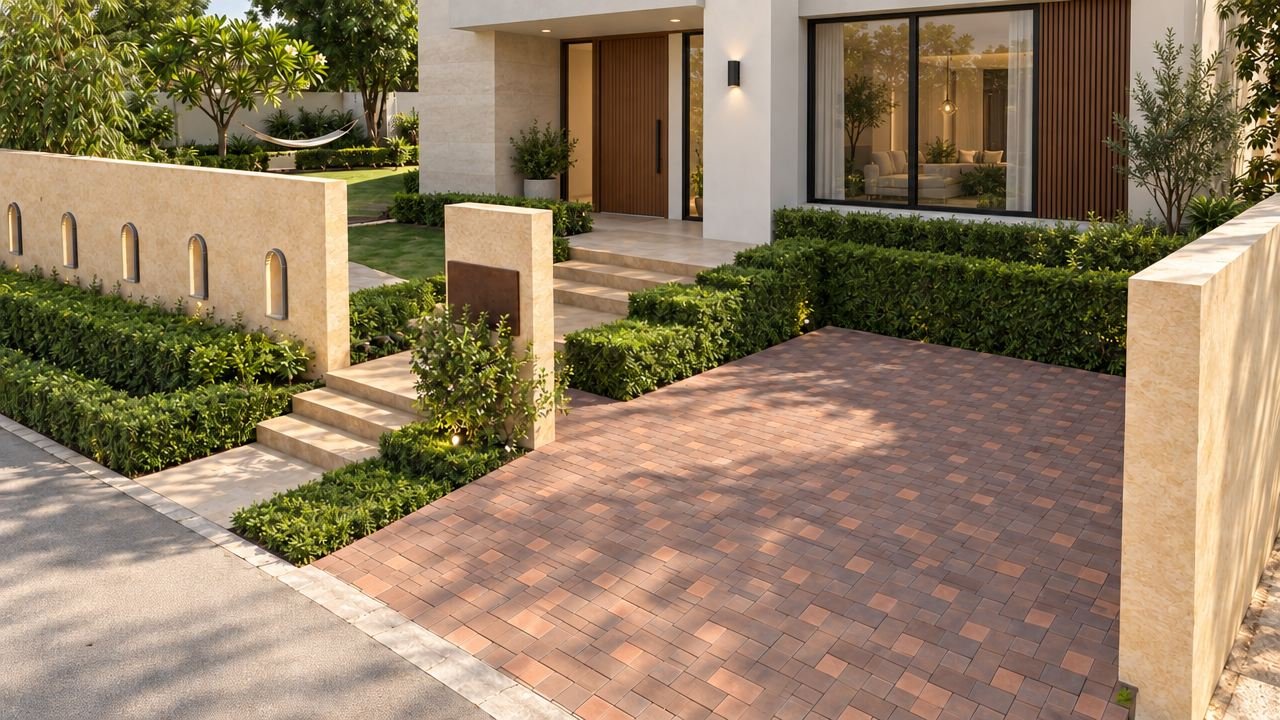
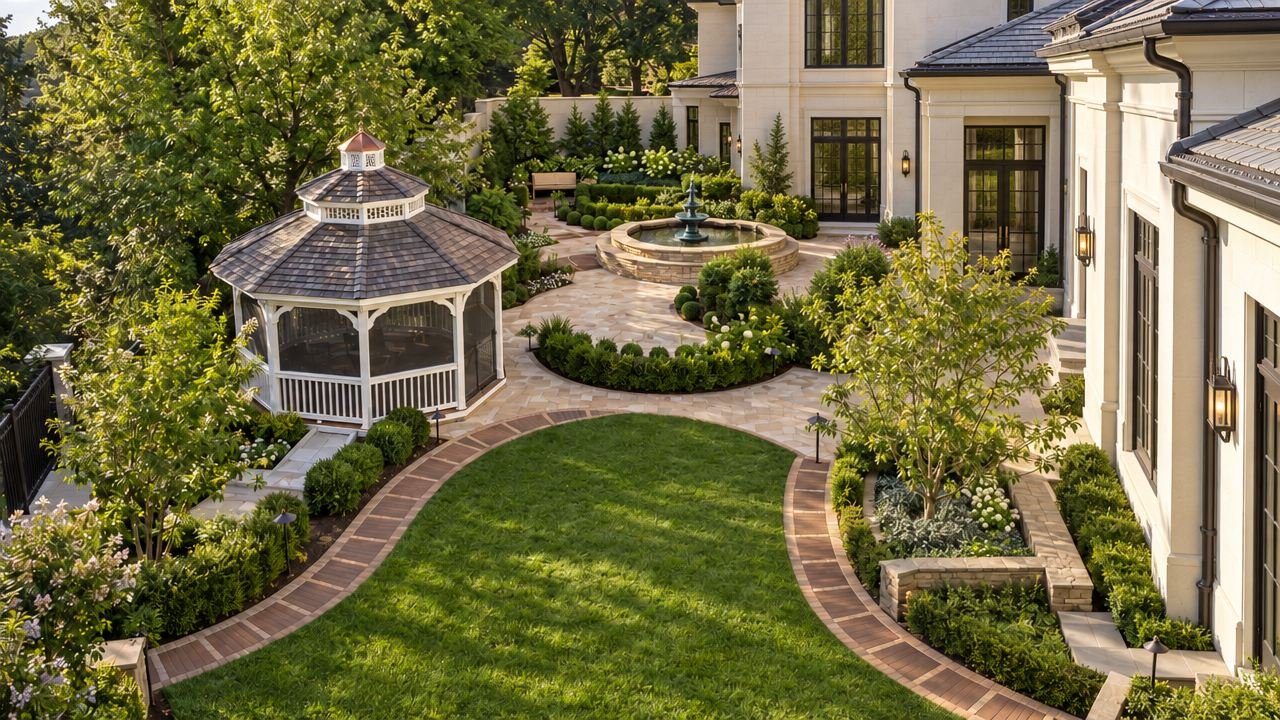
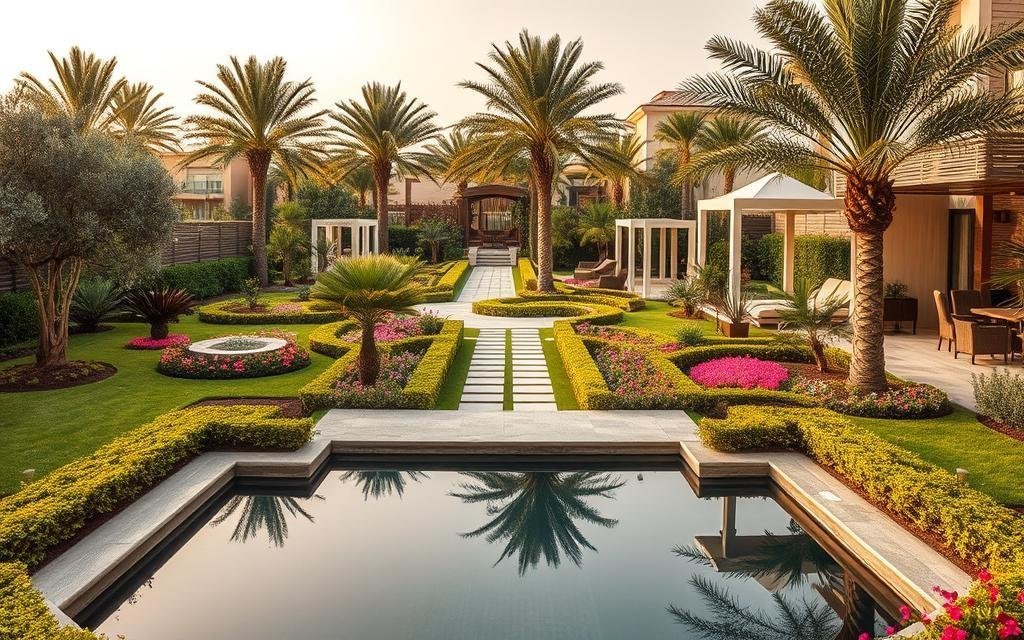
Residential landscape design focuses on creating outdoor spaces for homes. It can include gardens, courtyards, terraces, lawns, outdoor dining areas, pools, play areas, and private seating spaces.
Commercial landscape design
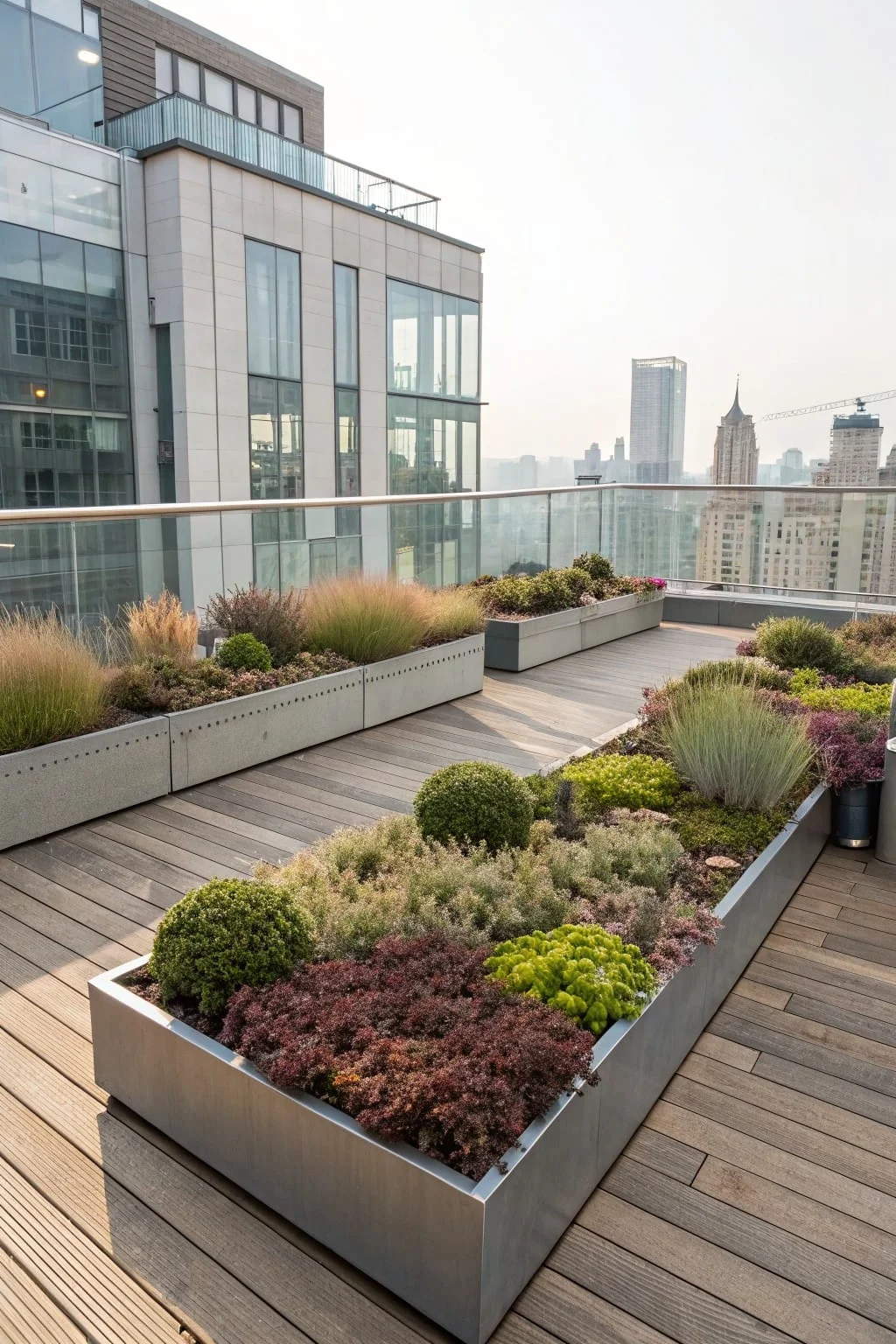
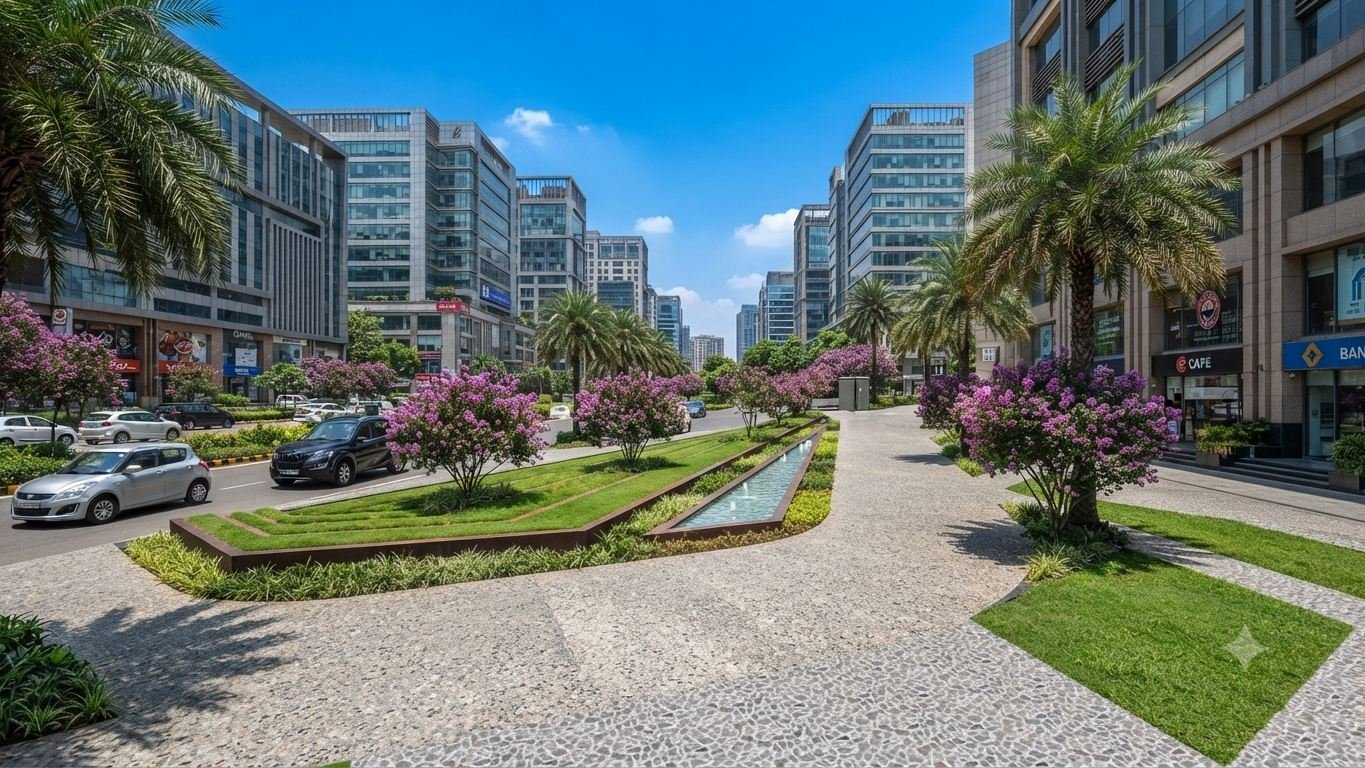
Commercial landscapes are designed around businesses, offices, retail environments, and other commercial properties. They often need to balance appearance, accessibility, circulation, branding, safety, and maintenance.
Hospitality landscape design
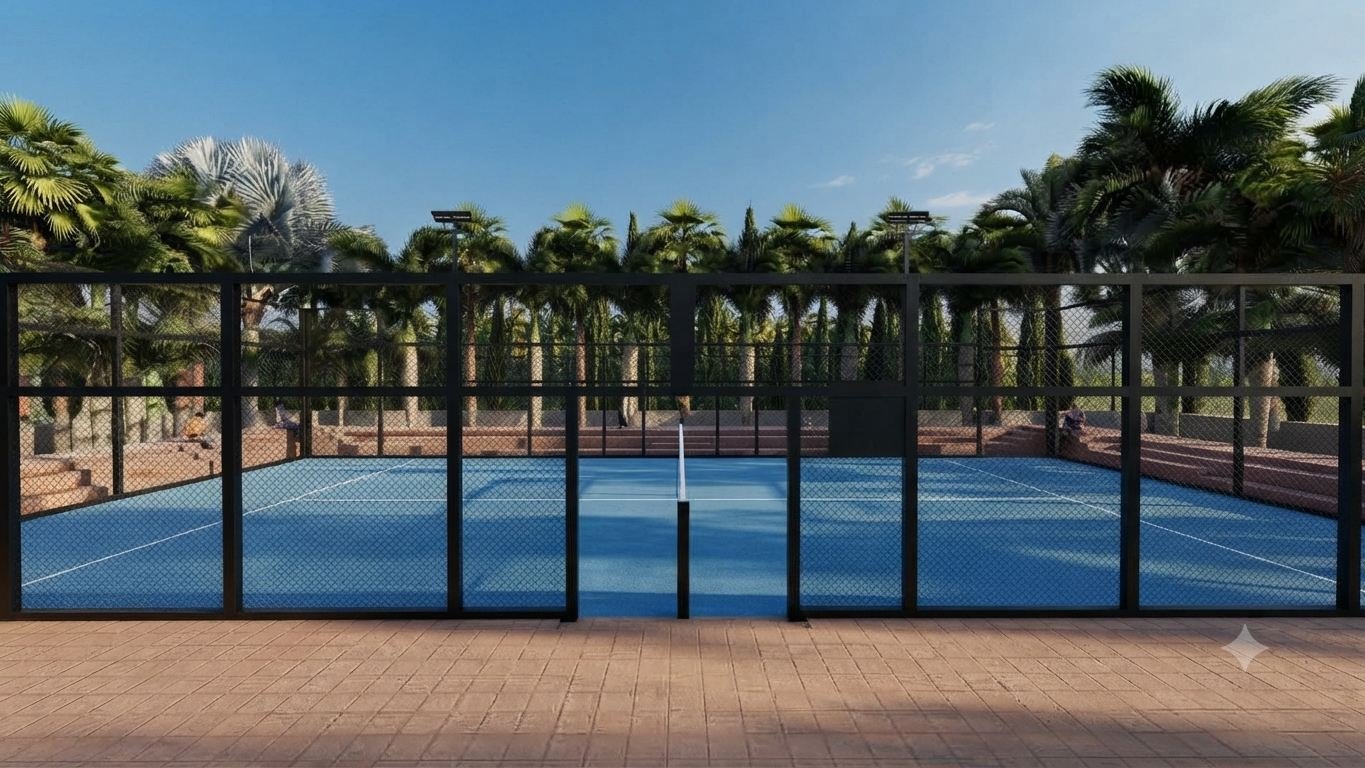
Hotels, resorts, restaurants, and other hospitality environments use landscape design to create memorable and comfortable experiences for guests. Planting, outdoor dining, arrival areas, courtyards, pools, and gathering spaces may form part of the design.
Public landscape design
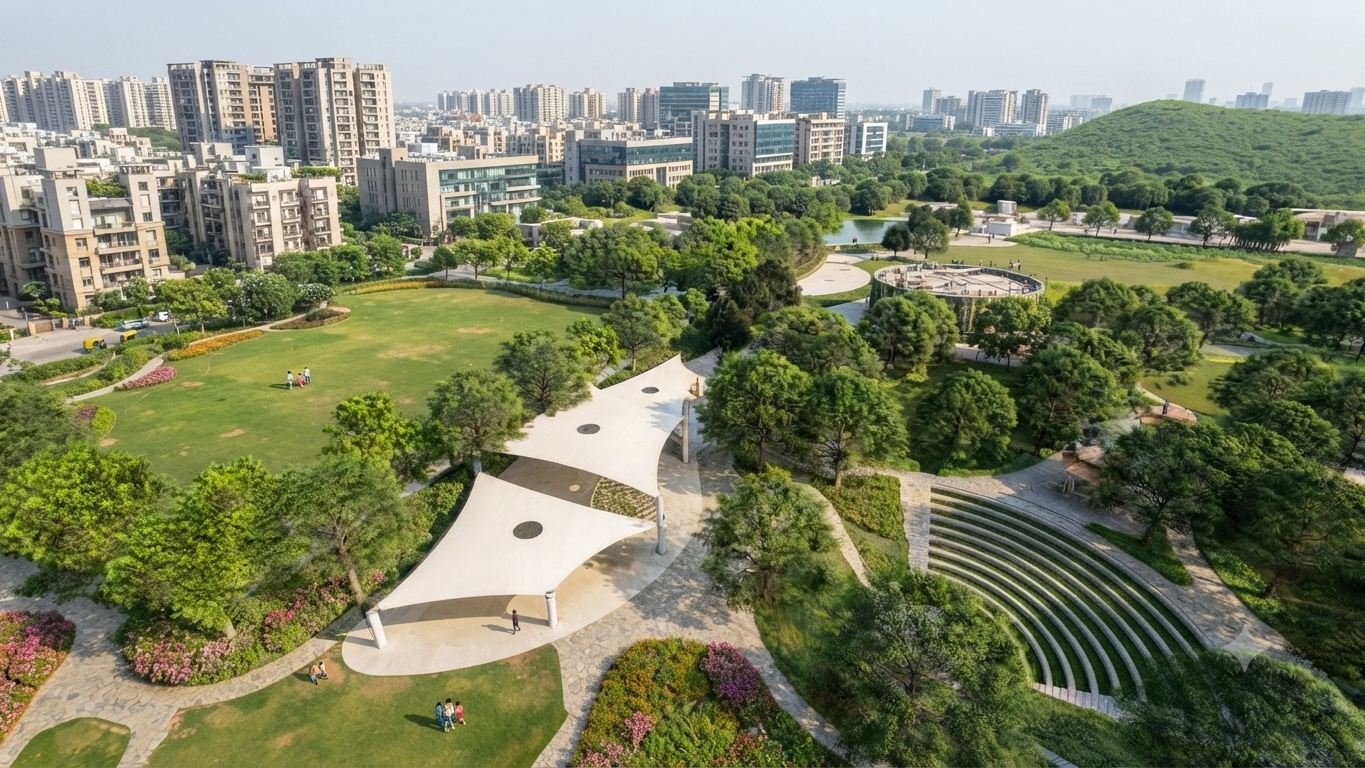
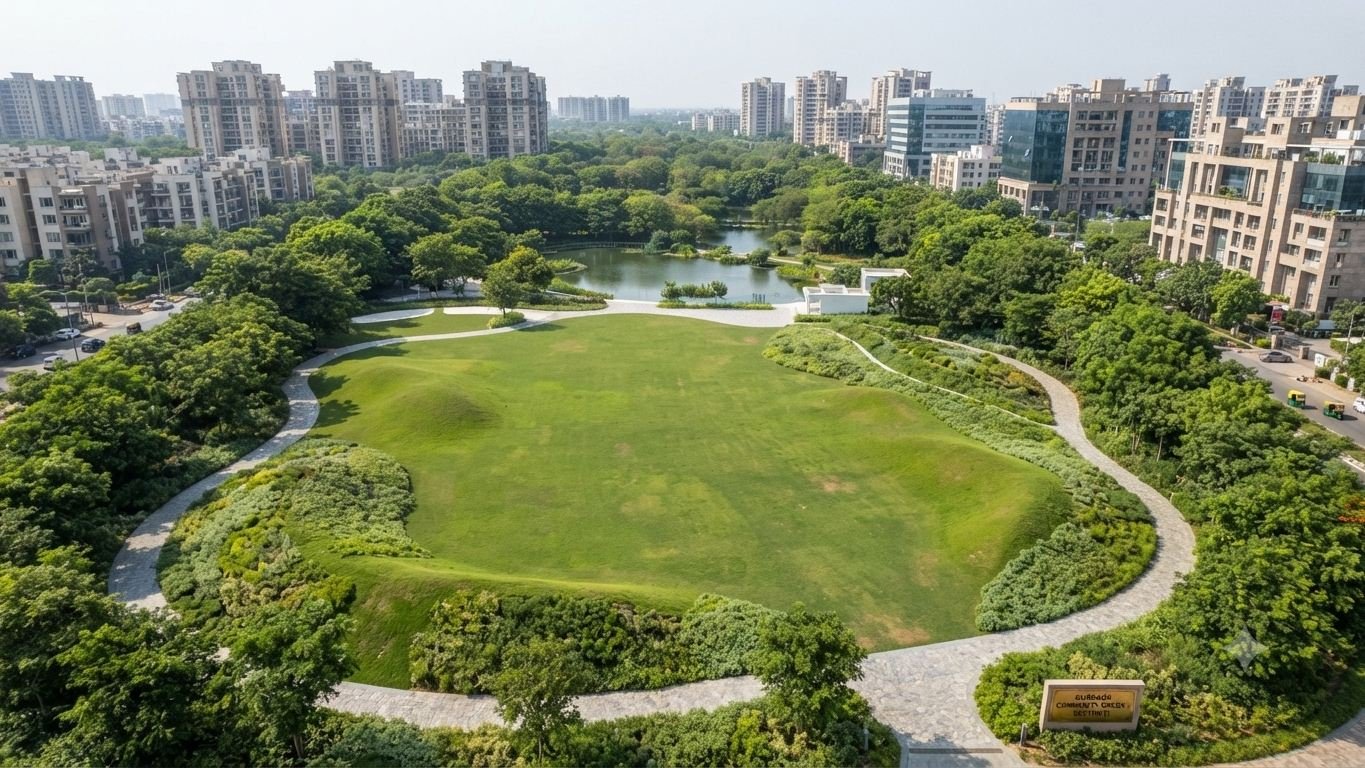
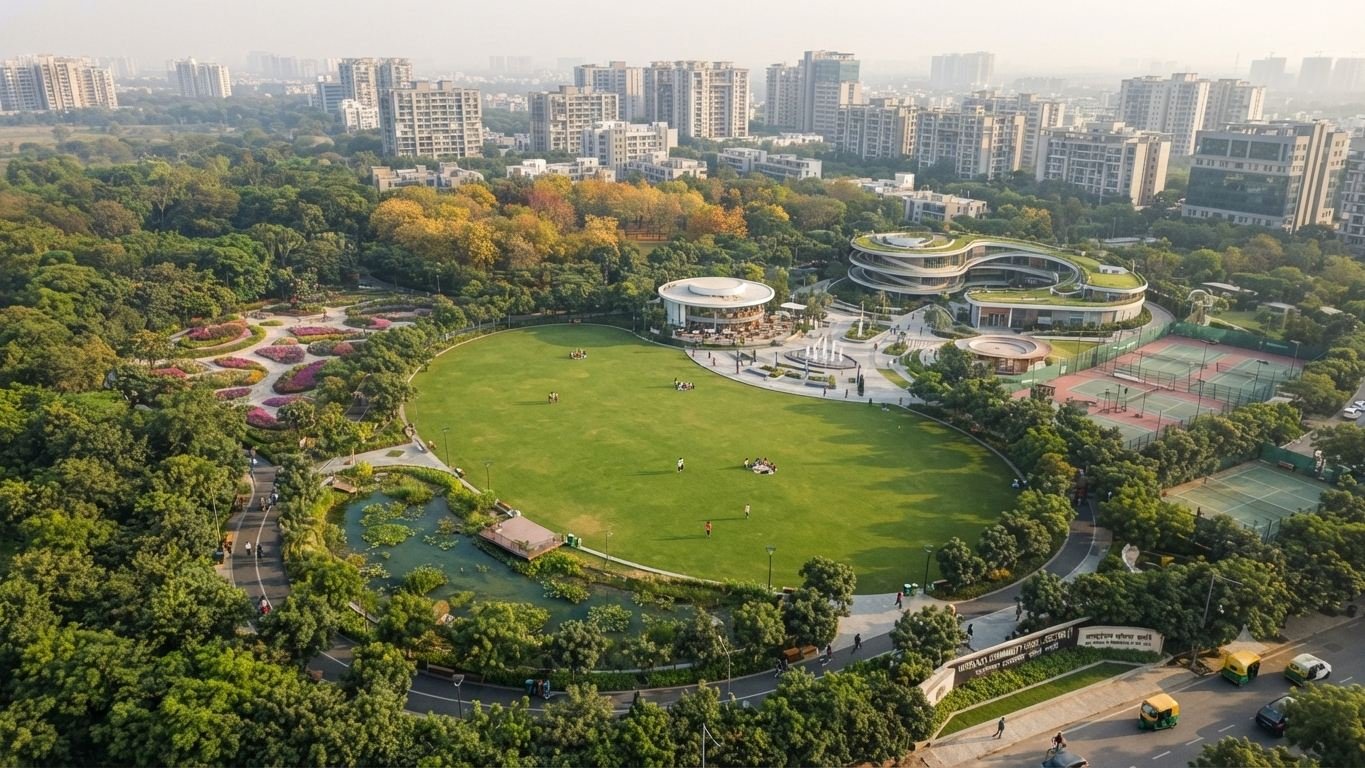
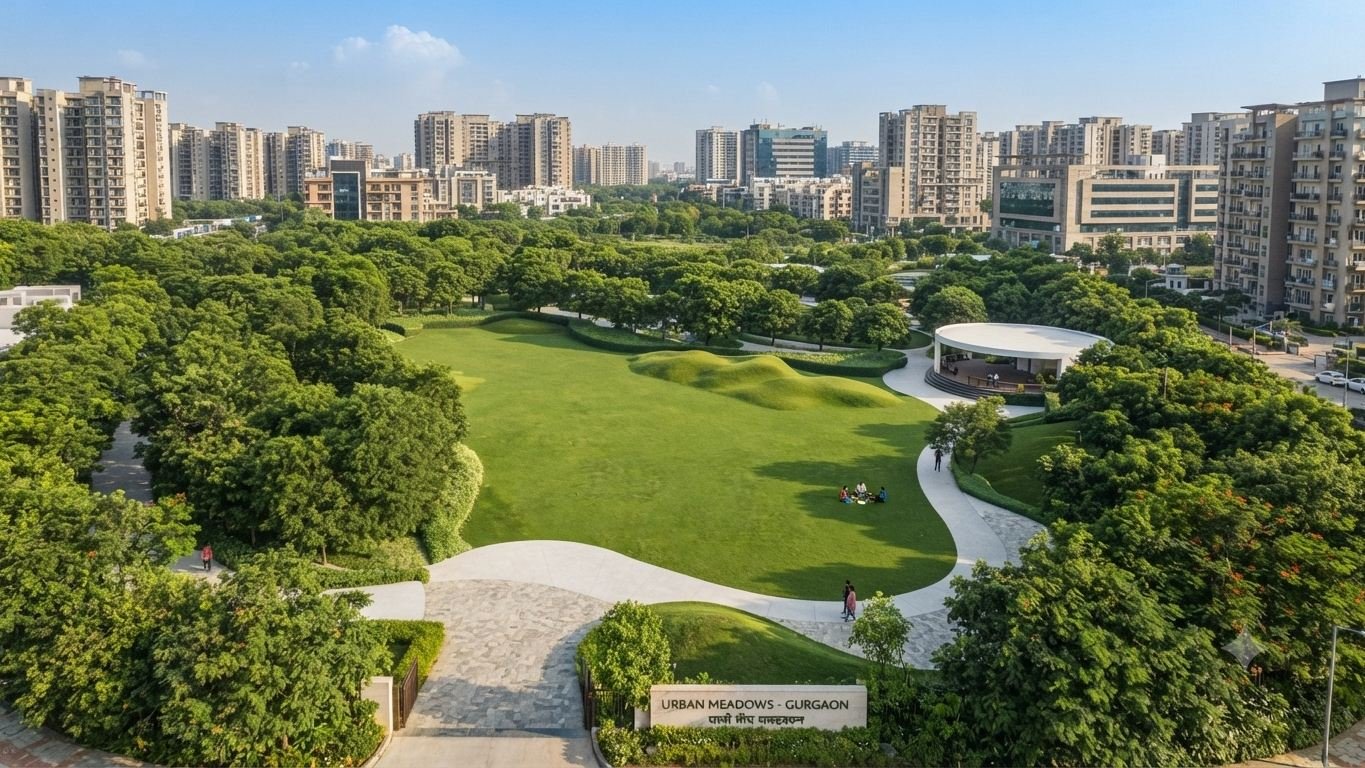
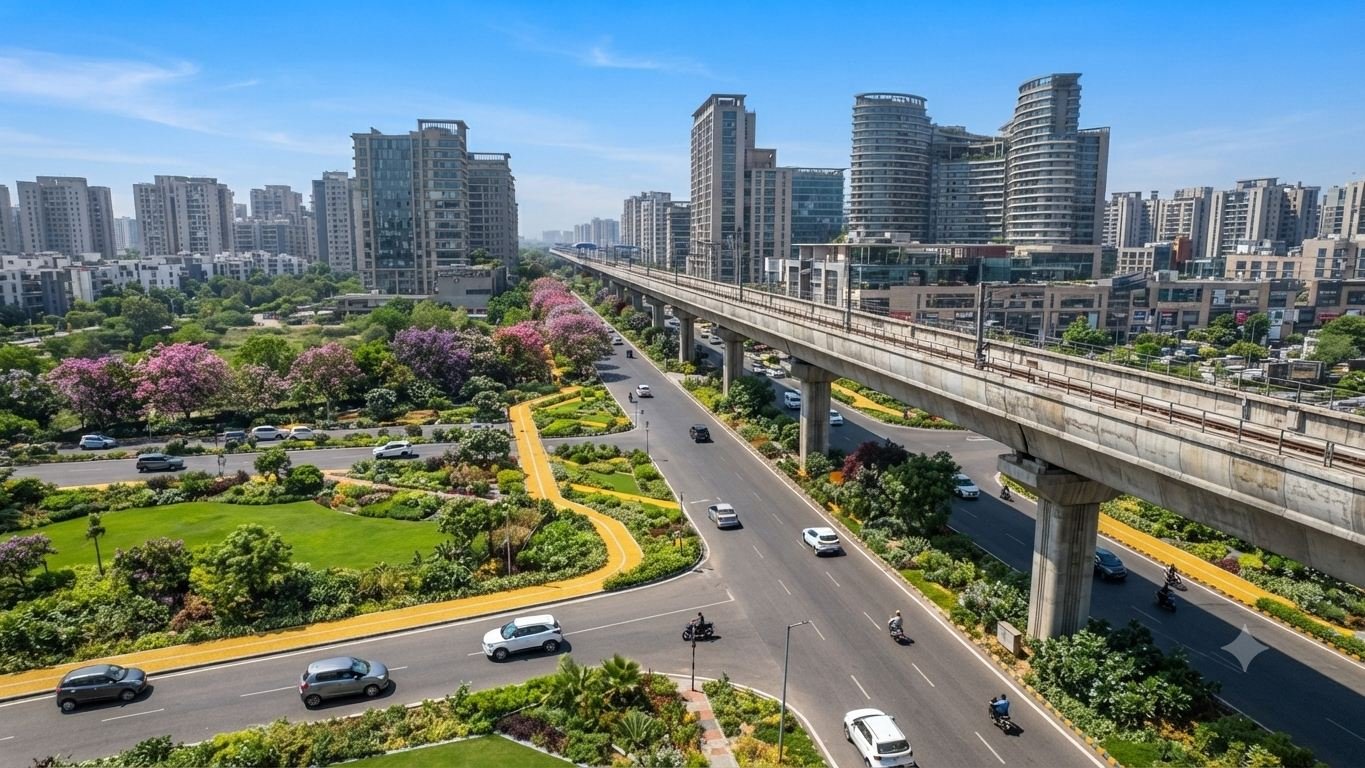
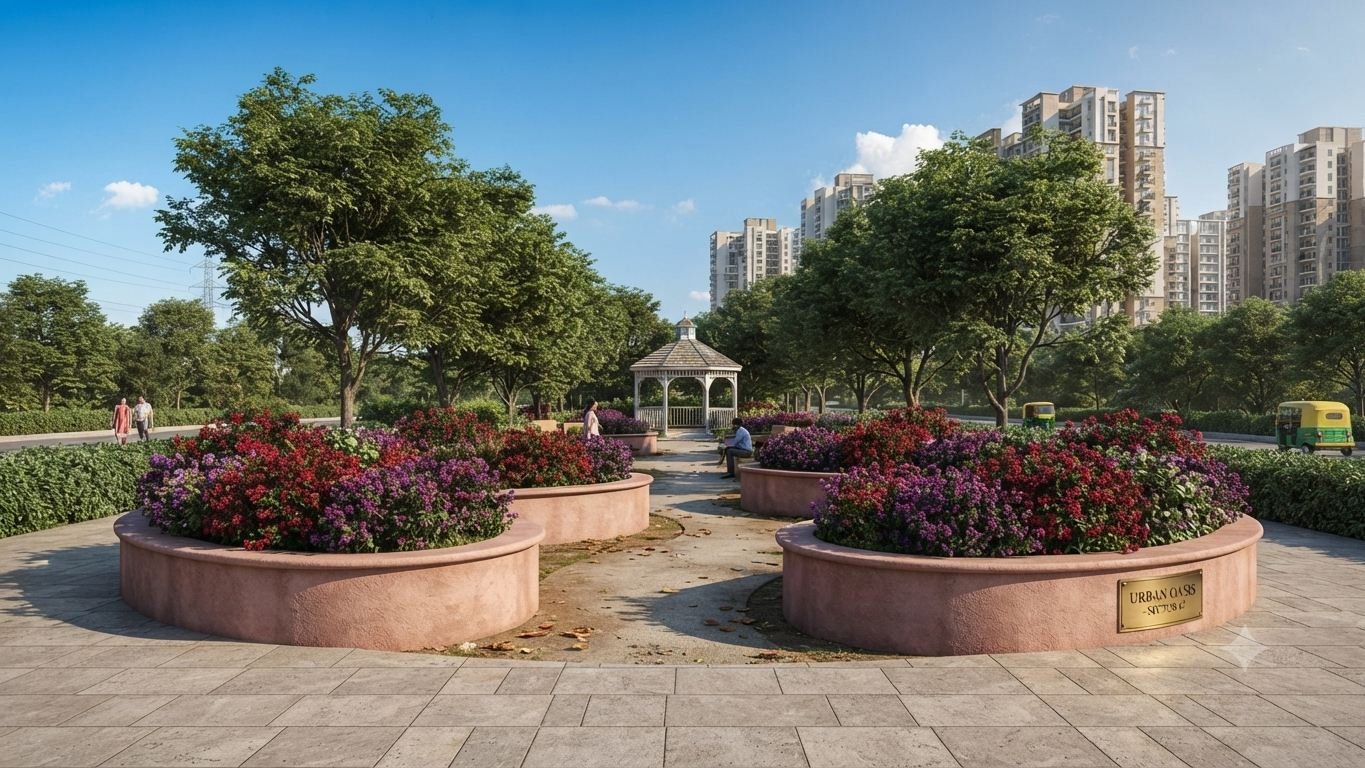
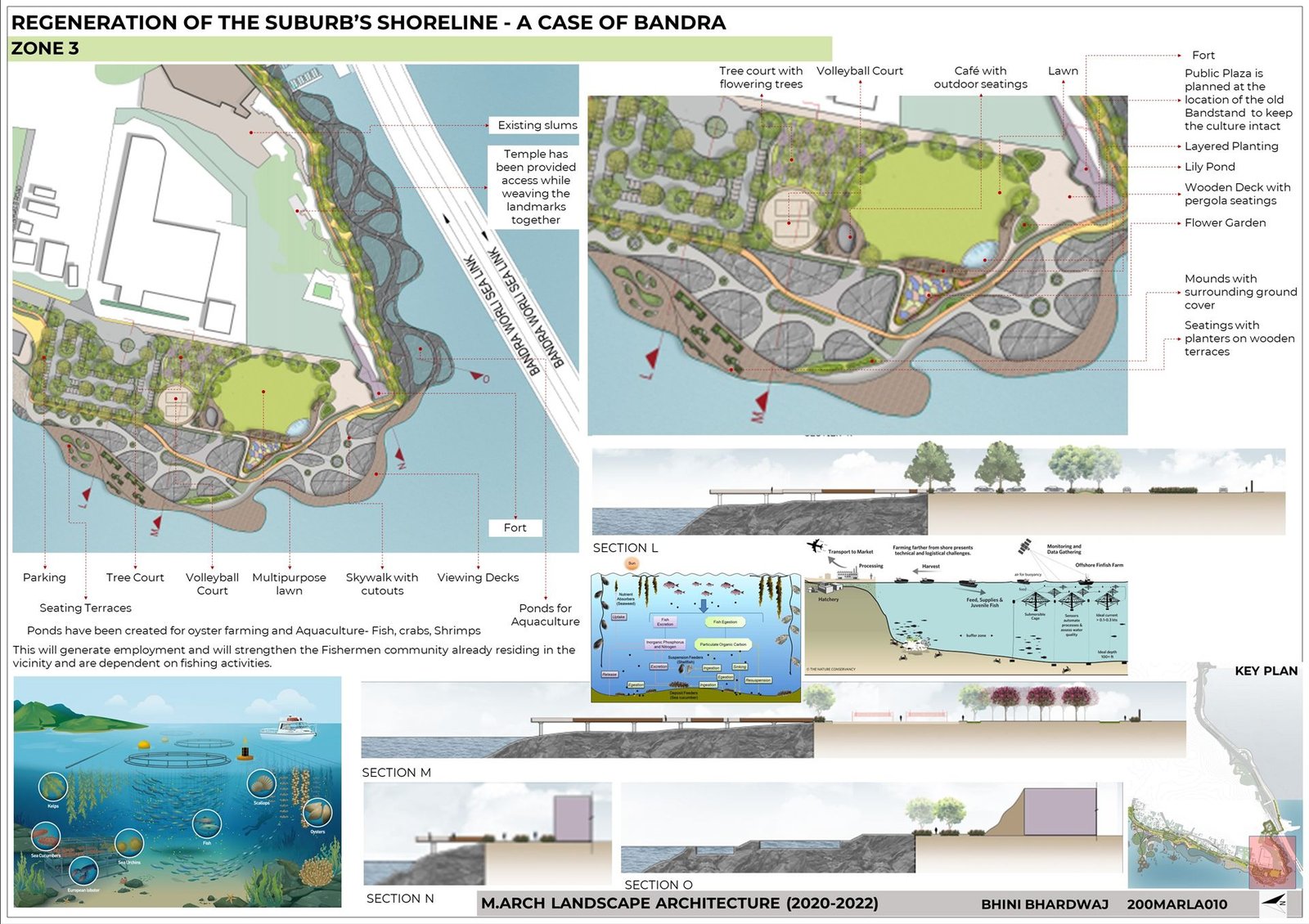
Public landscapes design include parks, plazas, streetscapes, promenades, and other shared environments. These spaces need to accommodate diverse users while addressing accessibility, durability, safety, and environmental considerations.
Ecological landscape design
Ecological landscape design works with natural systems and local environmental conditions. It can incorporate native or climate-appropriate planting, habitat creation, water management, soil improvement, and other environmentally responsive strategies.
Modern Landscape Design Ideas
Modern landscape design often emphasizes clean spatial organization, purposeful planting, simple material palettes, and a strong relationship between architecture and the surrounding landscape. The most effective modern landscapes combine visual simplicity with practical functionality.
Some ideas to consider include:
Create clear outdoor zones
Divide the landscape into purposeful areas such as dining, lounging, circulation, planting, and recreation. Clear zoning makes large and small spaces easier to navigate and use.
Use structured planting
A considered planting palette can provide seasonal interest, texture, shade, privacy, and visual structure without creating an overcrowded appearance.
Integrate indoor and outdoor spaces
Large openings, terraces, courtyards, patios, and carefully positioned planting can create a stronger visual and physical connection between interiors and gardens.
Introduce layered planting
Combining trees, shrubs, grasses, groundcovers, and other plants at different heights creates depth and visual interest.
Use lighting strategically
Landscape lighting can highlight trees, architectural features, pathways, steps, seating areas, and focal points while improving the usability of outdoor spaces after dark.
Make water a design element
Pools, ponds, fountains, or other water features can become focal points while contributing sound, movement, and visual interest to a landscape.
What is Sustainable Landscape Design?

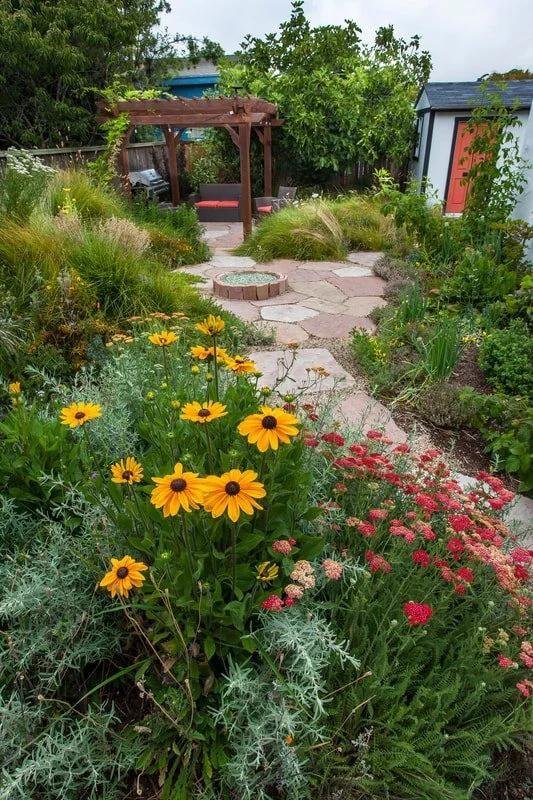
Sustainable landscape design creates outdoor spaces that work with local environmental conditions while reducing unnecessary resource consumption and supporting long-term ecological health. It considers water, soil, plants, materials, biodiversity, energy use, and maintenance requirements as part of the design process.
Sustainable landscape strategies can include:
- Selecting climate-appropriate plants
- Using native or locally suitable species where appropriate
- Reducing unnecessary lawn areas
- Improving soil health
- Designing efficient irrigation systems
- Collecting or managing rainwater
- Using permeable surfaces where suitable
- Preserving existing mature trees
- Creating habitat for local wildlife
- Selecting durable and responsibly sourced materials
- Reducing excessive maintenance requirements
- Designing for long-term adaptability
Sustainability does not have to mean sacrificing aesthetics. A thoughtfully designed sustainable landscape can be visually distinctive while responding intelligently to its environmental context.
Landscape Design for Residential Spaces
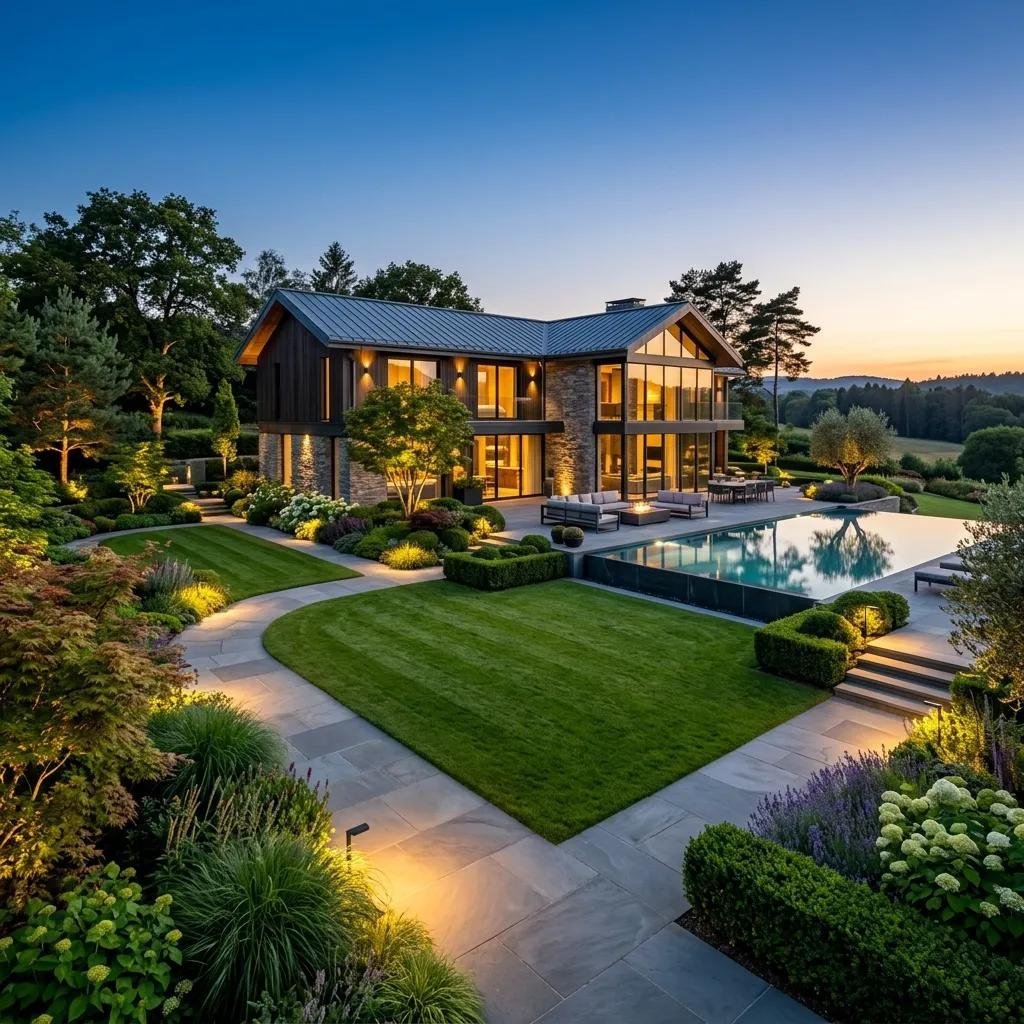
Residential landscape design transforms the outdoor areas around a home into spaces that support everyday living, relaxation, entertaining, and connection with nature. The design should reflect the architecture of the home as well as the lifestyle and practical needs of the people living there.
A residential landscape may include:
Entrance gardens
- Private courtyards
- Outdoor dining areas
- Terraces and patios
- Swimming pools
- Lawn and recreation areas
- Kitchen gardens
- Shaded seating areas
- Children’s play spaces
- Privacy planting
- Walkways and steps
- Outdoor lighting
The best residential landscapes are designed around how residents actually use their property. For example, a family may need flexible areas for play and entertaining, while another household may prioritize quiet garden spaces, planting, or outdoor dining.
Landscape Design for Commercial Spaces
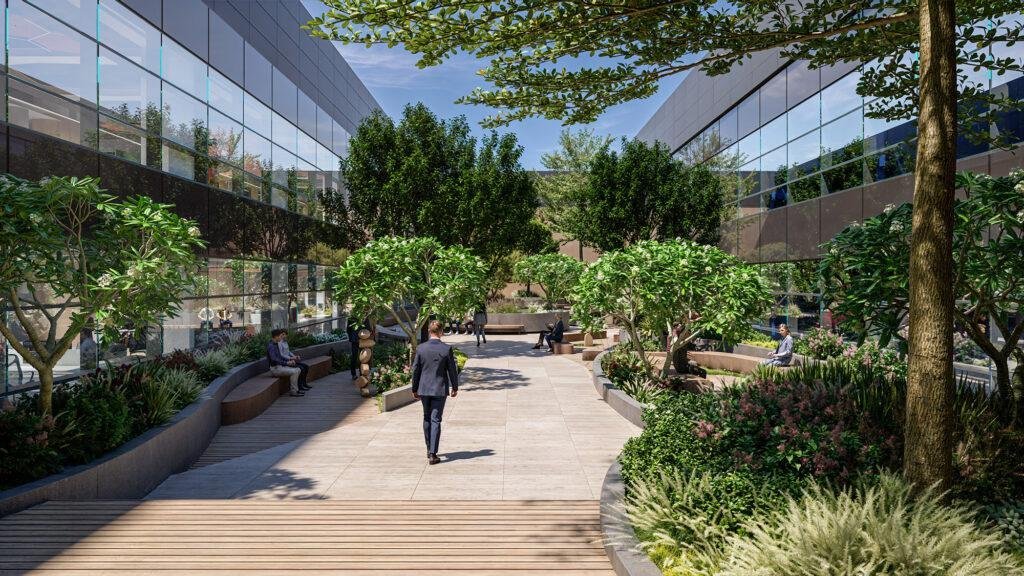
Commercial landscape design creates outdoor environments that support the function, identity, accessibility, and user experience of a business or commercial property. It can influence how people approach, enter, move through, and interact with a commercial environment.
Commercial landscape projects may include:
- Office campuses
- Retail developments
- Restaurants
- Hotels and resorts
- Mixed-use developments
- Corporate headquarters
- Wellness spaces
- Hospitality venues
Commercial landscapes need to consider practical requirements such as pedestrian circulation, accessibility, durability, safety, maintenance, parking relationships, signage, and service access.
Planting and materials can also contribute to the identity of a commercial environment by creating a consistent visual language between the landscape and architecture.
How to Choose a Landscape Designer
Choose a landscape designer by reviewing their portfolio, design approach, relevant project experience, understanding of site conditions, communication process, and ability to work within your functional and budget requirements.
Before selecting a designer, consider the following:
Review their portfolio
Look for projects that demonstrate thoughtful planning rather than focusing only on attractive photographs. Pay attention to how the designer handles planting, materials, spatial organization, architecture, and site-specific challenges.
Understand their design approach
Ask how they approach a new project and how they incorporate the site’s characteristics and the client’s requirements into the design.
Check relevant experience
Experience with a similar project type can be useful. A residential garden, hotel landscape, commercial development, and public space can require very different approaches.
Discuss the process
Ask what stages are included, what drawings or documentation will be provided, how revisions are handled, and how implementation is coordinated.
Discuss budget and maintenance
A good landscape design should consider both initial investment and long-term maintenance. Discuss the expected budget, materials, planting requirements, irrigation, and ongoing care early in the process.
Consider communication
Landscape projects involve multiple decisions and stages. Clear communication between the client and design team can help keep the project aligned with its objectives.
Frequently Asked Questions About Landscape Design
What is the difference between landscape design and landscape architecture?
Landscape design generally focuses on planning and designing outdoor spaces, particularly their planting, materials, layout, and functionality. Landscape architecture is a broader professional discipline that can involve larger-scale sites, public spaces, environmental systems, infrastructure, and more complex planning requirements.
How much does landscape design cost?
Landscape design costs vary depending on factors such as site size, project complexity, location, scope of services, materials, planting requirements, and level of design documentation. A professional quotation should be based on the specific requirements of the project rather than a standard price.
How long does the landscape design process take?
The landscape design process can take anywhere from several weeks to several months depending on the project’s size, complexity, approvals, revisions, and documentation requirements. Larger commercial or hospitality projects generally require more extensive planning.
When is the best time to start a landscape design project?
The best time to start depends on the project’s location, climate, planting season, construction schedule, and overall scope. Starting the design process early gives sufficient time for site analysis, planning, material selection, approvals, and implementation.
Is landscape design only about plants?
No. Landscape design includes much more than planting. It can involve spatial planning, pathways, paving, walls, seating, lighting, water features, outdoor structures, drainage, irrigation, materials, and the relationship between landscape and architecture.
Can landscape design improve a small outdoor space?
Yes. Landscape design can make small outdoor spaces more functional by carefully organizing circulation, planting, seating, storage, lighting, and other elements. Appropriate proportions and multifunctional spaces can help a compact garden feel more useful and cohesive.
What makes a landscape design successful?
A successful landscape design responds to the site’s conditions, meets the needs of its users, complements its architecture, and remains practical to maintain over time. Visual appeal is important, but functionality, environmental responsiveness, durability, and long-term performance are equally significant.
Final Thoughts
Landscape design is about creating outdoor spaces that are both beautiful and purposeful. The strongest designs bring together architecture, planting, materials, environmental considerations, and human needs to create landscapes that function well today and continue to evolve over time.
Whether designing a private garden, residential property, hospitality environment, or commercial landscape, a thoughtful design process can turn an underused outdoor area into an integral part of the overall experience.
For a successful landscape project, begin with the site, understand how the space will be used, establish a clear design direction, and select plants and materials that are appropriate for the environment and long-term maintenance requirements.